.png)
.png)

An Expert’s 5-Point Checklist: Choosing Versatile Aluminium Alloy Carbon Wheelchairs for Multiple Usage Scenarios in 2026
grudzień 30, 2025
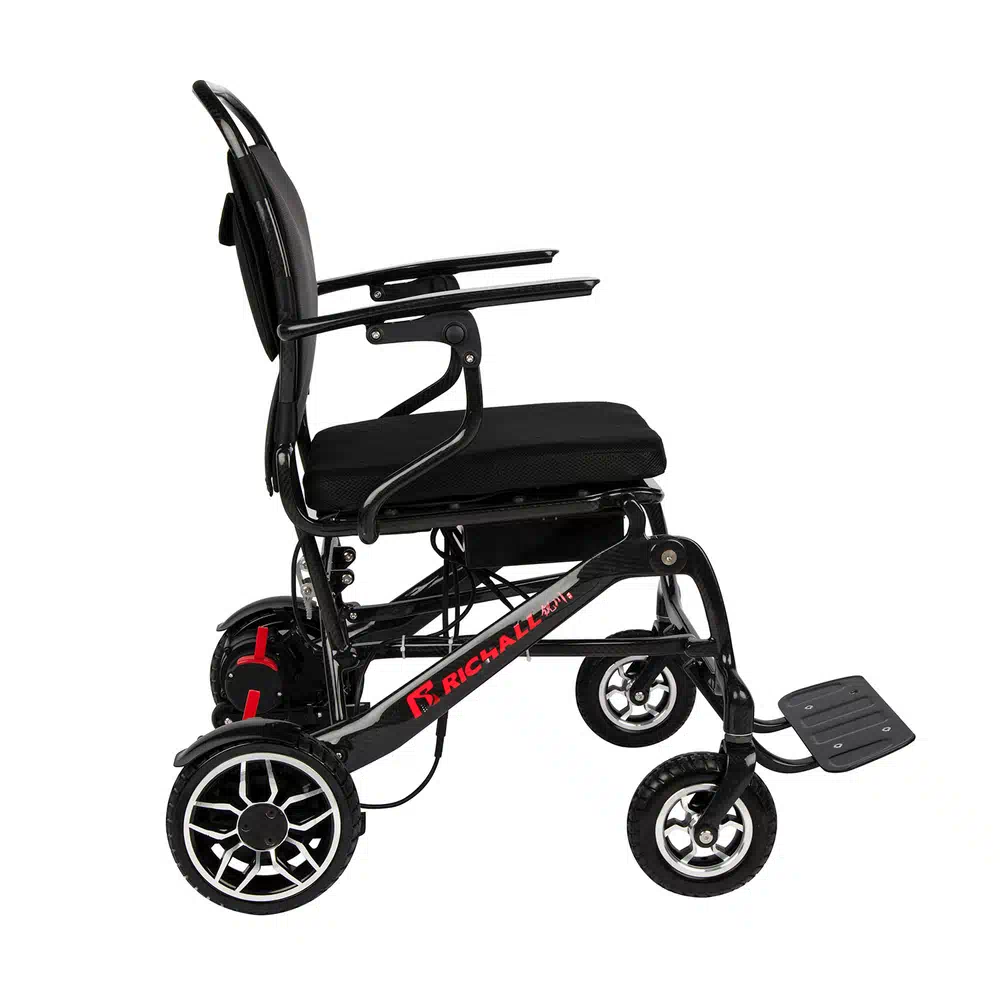
Streszczenie
The evolution of personal mobility aids has led to the development of hybrid wheelchairs that integrate the structural integrity of aluminum alloys with the high-performance characteristics of carbon fiber. This synthesis addresses a long-standing challenge for users: the need for a single device that is robust enough for varied terrains yet lightweight enough for easy transport. An analysis of these advanced material applications reveals a significant enhancement in user autonomy. Versatile aluminium alloy carbon wheelchairs for multiple usage scenarios are engineered to balance durability, weight, and adaptability. By strategically employing carbon fiber in components such as wheels, footplates, and cross-braces, manufacturers reduce the overall mass without compromising the strength provided by the aluminum alloy frame. This approach yields a mobility device that is equally proficient in navigating the tight confines of a home, the demands of urban commuting, and the unpredictability of outdoor environments, thereby expanding the user’s scope of activity and participation in daily life.
Kluczowe wnioski
- Evaluate how hybrid frames balance aluminum’s durability with carbon fiber’s lightness for superior performance.
- Prioritize chairs with extensive ergonomic adjustments to support long-term health and comfort.
- Assess performance features like turning radius, battery life, and suspension for different environments.
- Consider the folding mechanism and total weight for ease of daily transport and travel.
- Investing in versatile aluminium alloy carbon wheelchairs for multiple usage scenarios enhances independence.
- Look for integrated technologies like smart controls that simplify operation and improve safety.
- Understand the low-maintenance benefits of corrosion-resistant materials for long-term value.
Spis treści
- Material Synergy: Deconstructing the Aluminium Alloy and Carbon Fiber Hybrid
- Ergonomics and Customization: Tailoring the Chair to Your Body and Life
- Performance Across Scenarios: From Indoor Maneuverability to Outdoor Resilience
- The Practicalities of Portability: Travel, Storage, and Daily Transport
- Future-Proofing Your Investment: Technology, Maintenance, and Lifecycle
- Często zadawane pytania (FAQ)
- Wnioski
- Referencje
Material Synergy: Deconstructing the Aluminium Alloy and Carbon Fiber Hybrid
The choice of a wheelchair extends far beyond a simple mechanical aid; it represents a profound decision about how one engages with the world. The materials from which it is constructed are not merely inert substances but the very grammar of its potential. For decades, users faced a difficult compromise between the heft of durable steel and the lightness of less robust alternatives. The contemporary landscape, however, offers a more nuanced solution through the thoughtful combination of aerospace-grade aluminum alloys and advanced carbon fiber composites. This hybridization is not a random amalgamation but a deliberate engineering philosophy aimed at creating a wheelchair that is both a resilient partner for life’s adventures and a manageable object in moments of transition, like lifting it into a car or carrying it upstairs. Understanding this material dialogue is the first step toward making an informed choice.
The Foundational Strength of Aluminium Alloy
Aluminium alloy serves as the bedrock of many modern wheelchair frames, and for good reason. Its inherent properties offer a compelling blend of strength, corrosion resistance, and workability. Unlike steel, aluminum does not rust when exposed to moisture, a significant advantage for a device that will inevitably encounter rain, spills, and humidity. This resistance ensures longevity and reduces the burden of maintenance, allowing the user to focus on their activities rather than on preserving their equipment.
From a manufacturing perspective, aluminum is relatively malleable, allowing designers to shape it into complex, structurally efficient forms that maximize strength while minimizing mass. This process, often involving hydroforming, creates frames that are both robust and aesthetically refined. The result is a chassis that provides a secure and stable foundation for the user, capable of withstanding the repeated stresses of daily mobility. Think of the aluminum alloy frame as the skeleton of the wheelchair—reliable, strong, and enduring, providing the core integrity upon which everything else is built. It is the dependable constant in the equation of mobility.
The High-Performance Edge of Carbon Fiber
If aluminum alloy is the skeleton, carbon fiber is the high-performance muscle and connective tissue. Carbon fiber is a polymer composite known for its extraordinary strength-to-weight ratio. It is a material born from the demands of the aerospace and competitive racing industries, where every gram saved translates into a measurable performance advantage. When applied to wheelchairs, this same principle transforms the user experience. By replacing certain components with carbon fiber, manufacturers can dramatically reduce the overall weight. A lighter chair requires less energy to propel, whether pushed by the user, an assistant, or an electric motor. This efficiency can mean the difference between easily managing a long day out and facing premature fatigue.
Beyond its lightness, carbon fiber possesses remarkable vibration-damping properties. As a wheelchair moves over uneven surfaces like cobblestones, cracked pavement, or even thick carpeting, it generates vibrations that travel through the frame into the user’s body. Over time, this can cause discomfort and fatigue. Carbon fiber naturally absorbs a significant portion of this jarring energy, leading to a smoother, more comfortable ride. It is this combination of being incredibly strong yet forgiving that makes it such a revolutionary material in assistive technology.
| Cecha | Aerospace-Grade Aluminium Alloy | Kompozyt z włókna węglowego |
|---|---|---|
| Waga | Lightweight | Ultra-lightweight |
| Siła | Wysoka wytrzymałość na rozciąganie | Exceptional strength-to-weight ratio |
| Trwałość | Excellent corrosion resistance | Fatigue and corrosion resistant |
| Ride Comfort | Stiff, can transmit vibrations | Excellent vibration damping |
| Cost | More affordable | Premium, higher cost |
| Aesthetic | Traditional metallic finish | Modern woven texture |
How Hybridization Creates a Superior Frame
The true genius of versatile aluminium alloy carbon wheelchairs for multiple usage scenarios lies not in choosing one material over the other, but in leveraging the best qualities of both in a single, cohesive design. Manufacturers do not simply build a whole chair from one material. Instead, they engage in a sophisticated process of material selection for each specific component based on its function.
Imagine a typical hybrid design. The main chassis, which bears the majority of the user’s weight and provides the primary structure, might be constructed from a precisely engineered aluminum alloy for its proven strength and cost-effectiveness. However, other parts where weight reduction is most impactful—such as the side guards, footplates, or the cross-brace on a folding model—may be crafted from carbon fiber. The wheels themselves are another area where carbon fiber makes a significant difference. Lighter wheels have less rotational inertia, making the chair feel more responsive and easier to accelerate. This strategic placement of materials creates a wheelchair that is strong where it needs to be yet light where it can be. It is a design philosophy that refuses to compromise, offering the reliability of aluminum with the performance and comfort of carbon fiber. This results in a device that feels less like equipment and more like a natural extension of the body.
Ergonomics and Customization: Tailoring the Chair to Your Body and Life
A wheelchair should not be a static object to which the user must conform. Rather, it should be a dynamic tool that adapts to the unique contours of the user’s body and the varied demands of their life. The concept of ergonomics in wheelchair design transcends basic measurements; it is a philosophy centered on promoting health, preventing secondary injury, and maximizing function. A poorly fitted chair can contribute to a host of problems, from pressure injuries and postural deformities to repetitive strain on the shoulders and wrists. In contrast, a meticulously configured chair becomes a source of comfort and empowerment. The most advanced versatile aluminium alloy carbon wheelchairs for multiple usage scenarios are conceived as highly adjustable platforms, recognizing that a person’s needs can change daily, or even hourly.
The Philosophy of Fit: Beyond Seat Width and Depth
When people first consider a wheelchair, they often focus on two primary dimensions: seat width and depth. While these are foundational, a truly ergonomic fit involves a much more holistic assessment of the user’s body. It is a three-dimensional puzzle where every piece matters. Consider the “seat-to-back angle,” which determines how open or closed the hip angle is. A more reclined angle can relieve pressure on the spine and is often preferred for relaxation, while a more upright posture is necessary for tasks like eating or working at a desk.
Another often-overlooked parameter is the “seat dump,” or the difference in height between the front and rear of the seat. A slight dump can help with pelvic stability, preventing the user from sliding forward. The height of the footplates is equally important; if they are too low, the user’s thighs are unsupported, and if they are too high, excessive pressure is placed on the sit bones. Achieving the correct fit is a collaborative process, often involving a physical therapist or a certified assistive technology professional. Their expertise ensures that the chair is configured not just for comfort, but for optimal biomechanical function, protecting the user’s body for the long term (Frank & Abel, 2000).
Adjustability as a Form of Freedom
The ability to adjust a wheelchair is a form of freedom. It allows the chair to transform alongside the user’s activities. A chair configured for maximum efficiency in propelling oneself down a long hallway may not be comfortable for sitting through a two-hour movie. Modern hybrid wheelchairs offer a suite of tool-free or simple-tool adjustments that empower users to reconfigure their chairs on the fly.
Think about the armrests. They might be lowered or swung away for a side transfer into a car seat, then raised to a specific height to support the forearms while typing, reducing strain on the neck and shoulders. The backrest might be a tension-adjustable upholstery that can be fine-tuned to provide precise support to the user’s spinal curvature. Some advanced models feature backrests that can change angle, allowing the user to shift their weight and relieve pressure throughout the day. This level of adaptability means the wheelchair is not a single-purpose device but a multi-faceted tool. It can be an office chair, a dining chair, and a vehicle for outdoor exploration, all in one. This adaptability is a hallmark of user-centric design, a principle embraced by forward-thinking manufacturers like carbon fiber electric wheelchair supplier, who design mobility aids with the lived experiences of users at the forefront.
The User-Centric Design of Modern Wheelchairs
The evolution of wheelchair design has been a journey from a purely medical model to a human-centered one. Designers and engineers now work in close collaboration with long-term wheelchair users, understanding that their insights are invaluable. This collaborative process has led to innovations that might seem small but have a profound impact on daily life.
For example, memory foam cushions that contour to the user’s body distribute pressure more evenly, significantly reducing the risk of pressure sores. The use of breathable, moisture-wicking fabrics for upholstery enhances comfort during long periods of sitting or in warm climates. Even the design of the controls on an electric model has become more intuitive. Joysticks are now more sensitive, with programmable profiles that can adjust the chair’s speed and responsiveness for different environments—a slower, more precise mode for indoors and a faster, more powerful mode for outdoors. These thoughtful details demonstrate a deep empathy for the user, recognizing that a wheelchair is an intimate part of their life and that its design should reflect a commitment to their well-being and dignity.
Performance Across Scenarios: From Indoor Maneuverability to Outdoor Resilience
A person’s life is not lived in a single setting. It unfolds across a mosaic of environments: the familiar corridors of home, the dynamic spaces of a city, and the open expanses of nature. A truly versatile wheelchair must be a capable performer in all these theaters of life. It cannot excel in one at the expense of the others. The design of a modern hybrid aluminum and carbon fiber wheelchair is a masterclass in balancing competing demands. It must be narrow enough for doorways yet stable enough for uneven ground; it must be agile enough for tight corners yet powerful enough for steep ramps. The genius of these chairs is their ability to be chameleons, adapting their performance characteristics to the task at hand.
The Indoor Navigator: Compactness and Agility
Within the home, a wheelchair’s value is often measured in inches. The ability to navigate narrow doorways, tight hallways, and cluttered rooms without causing damage or getting stuck is paramount. Here, the overall width of the wheelchair and its turning radius are the key performance indicators. Designers of versatile wheelchairs pay close attention to creating a compact footprint. By carefully positioning the wheels and designing a streamlined frame, they can create chairs that move with a grace and agility that belies their strength.
An indoor electric wheelchair is often designed specifically for this environment, but a versatile hybrid model must also master it. The lightweight nature of the aluminum and carbon fiber construction plays a role here as well. A lighter chair is simply easier to maneuver at low speeds, requiring smaller, more subtle inputs to change direction. For manual users, this means less effort to navigate around furniture. For electric users, it translates to a more intuitive and less stressful driving experience. The goal is for the user to feel that the chair is an extension of their will, moving effortlessly through their personal space.
The Urban Commuter: Portability and Power
The urban environment presents a different set of challenges. It is a world of curbs, ramps, public transportation, and car travel. For the urban commuter, two features are of utmost importance: portability and power. Portability is largely a function of the wheelchair’s ability to fold into a compact, manageable package. Modern foldable electric wheelchairs have revolutionized this aspect. Many feature clever one-touch mechanisms or even remote controls that collapse the chair in seconds. This allows a user to quickly fold their chair to board a bus, place it in the trunk of a taxi, or store it under a table at a restaurant.
Power, especially in an electric model, is about more than just top speed. It is about having enough torque to confidently ascend ramps and enough battery life to last through a full day of activities without “range anxiety.” The efficiency of a lightweight hybrid frame helps here, as the motors do not have to work as hard to move the chair, conserving precious battery power (Cooper et al., 2002). Suspension systems, once a luxury, are now becoming standard on high-quality models, absorbing the bumps of sidewalks and making the ride smoother and safer.
| Usage Scenario | Key Performance Metric | Essential Features |
|---|---|---|
| Indoor Use | Turning Radius / Overall Width | Compact frame, responsive controls, lightweight construction |
| Urban Commuting | Portability / Battery Range | Quick-folding mechanism, airline-safe batteries, robust suspension |
| Outdoor/Recreation | Terrain Handling / Durability | Larger wheels with good traction, powerful motors, durable frame materials |
| Travel | Weight / Folded Size | Ultra-lightweight materials (carbon fiber), compact folded dimensions |
The Outdoor Adventurer: Durability and Terrain Management
For those who wish to venture beyond the pavement, an outdoor electric wheelchair needs to be tough and capable. Parks, gravel paths, and grassy fields demand a different kind of performance. Here, the durability of the aluminum and carbon fiber frame is put to the test. These materials must resist the twisting forces and impacts that come with uneven terrain.
The wheels play a starring role in outdoor performance. Larger diameter wheels roll over obstacles more easily than smaller ones. Users may have a choice between solid, puncture-proof tires, which are maintenance-free, or pneumatic (air-filled) tires, which offer a superior cushion and better traction on soft surfaces. A robust suspension system becomes even more important outdoors, not just for comfort but for safety, helping to keep all wheels in contact with the ground for maximum stability. The motors on an outdoor-capable chair must be powerful enough to handle inclines and varied surfaces without straining. This combination of a durable frame, appropriate wheels, and a powerful drive system opens up a world of possibilities, allowing users to participate in activities that might have once seemed out of reach.
The Practicalities of Portability: Travel, Storage, and Daily Transport
The concept of freedom is inextricably linked to the ability to move. For a wheelchair user, that freedom is often contingent on the portability of their device. A wheelchair that is tethered to the home by its own weight and bulk is only a partial solution. The true measure of a modern mobility aid is how seamlessly it integrates into a dynamic lifestyle, one that includes car trips, public transit, and even air travel. The design of versatile aluminium alloy carbon wheelchairs for multiple usage scenarios is deeply concerned with these practicalities. Every aspect, from the folding mechanism to the battery type, is considered through the lens of portability.
Demystifying Folding Mechanisms
The act of folding a wheelchair should not be a complex, multi-step struggle. The goal is to make the transition from a fully deployed chair to a compact, transportable object as quick and effortless as possible. There are generally two main approaches to folding. The most common for many years has been the “cross-brace” design, where the chair folds from side to side like an accordion. While effective, this often results in a package that is still quite tall and sometimes awkward to lift.
A newer approach, often seen in more modern rigid-frame chairs and advanced foldable models, involves folding the backrest down onto the seat and then sometimes tucking the front end under. This can create a much more compact, box-like shape that is easier to fit into a car trunk. The most advanced foldable electric wheelchairs have taken this a step further with automated folding systems. With the press of a button on the chair or a remote control, the entire device can fold or unfold itself in a matter of seconds. This is a game-changing innovation, particularly for users with limited upper body strength or for caregivers who can now manage the chair without physical strain.
Weight as a Decisive Factor
In the world of portable wheelchairs, every kilogram matters. The overall weight of the chair is perhaps the single most important factor determining its true portability. This is where the use of carbon fiber has its most dramatic impact. A standard electric wheelchair made from steel can easily weigh upwards of 45 kilograms (100 lbs), making it virtually impossible for one person to lift. An aluminum alloy chair might bring that down to around 25-30 kilograms.
However, the lightest hybrid aluminum and carbon fiber models can weigh less than 20 kilograms, with some ultra-lightweight carbon fiber electric models tipping the scales at a mere 15-18 kilograms (around 33-40 lbs), including the battery (Richall Medical Technology, 2025). This massive weight reduction transforms the chair from a piece of heavy equipment into a manageable object. It means a user might be able to lift their own chair into their car. It means a spouse or caregiver can handle the chair without risking back injury. This reduction in weight is not just a convenience; it is a direct enabler of independence.
Navigating Air Travel with Your Wheelchair
Air travel can be a source of significant anxiety for wheelchair users, with concerns about damage to their device and navigating complex regulations. Manufacturers of modern, travel-friendly wheelchairs are addressing these concerns head-on. A key area of focus is the battery. Most airlines have strict rules regarding lithium-ion batteries, which are used in virtually all modern electric wheelchairs.
To comply with these regulations, manufacturers often use one or more smaller batteries that fall below the airline’s capacity limit (typically 100 Wh, with provisions for up to 160 Wh with airline approval). These batteries are designed to be easily removable so the user can carry them into the cabin, as required by most airlines. The chair itself is then checked as mobility assistance luggage. Providing clear documentation, such as a Material Safety Data Sheet (MSDS) for the battery, can smooth the check-in process. Some manufacturers also offer durable travel bags designed to protect the chair from damage during transit. By designing chairs with these realities in mind, companies are helping to make the world more accessible for their customers, breaking down one of the most significant barriers to long-distance travel.
Future-Proofing Your Investment: Technology, Maintenance, and Lifecycle
Acquiring a high-quality wheelchair is a significant investment, not just financially, but in one’s quality of life. As such, it is wise to choose a device that is not only suited for the present but is also equipped to remain relevant and functional for years to come. This means considering the integrated technology, the long-term maintenance requirements, and the overall durability of the chair. The materials and design philosophy behind versatile aluminium alloy carbon wheelchairs for multiple usage scenarios inherently lend themselves to a long and useful life, making them a prudent choice for the forward-thinking user.
The Role of Advanced Technology
Technology in modern wheelchairs is not about superfluous gadgets; it is about providing tangible benefits that enhance independence and safety. The control systems on today’s electric wheelchairs are a prime example. The simple joystick has evolved into a sophisticated “smart controller,” often featuring an LCD screen that provides real-time diagnostic information. It can display battery level with greater accuracy, report any system errors, and allow the user to cycle through different programmable driving profiles.
These profiles are a powerful tool. A user might have a “turtle” mode for navigating crowded indoor spaces with reduced speed and acceleration, and a “rabbit” mode for covering ground quickly outdoors with maximum power and speed. Some chairs even offer remote control functionality, which can be used for bringing the chair closer from across a room or for an assistant to drive the chair when empty. Other technological conveniences include built-in USB ports for charging a smartphone on the go and powerful LED lights for safe travel after dark. These features, thoughtfully integrated into an advanced elektryczny wózek inwalidzki z włókna węglowego, work together to create a more seamless and capable user experience.
A Dialogue on Durability and Maintenance
One of the most compelling arguments for a hybrid aluminum and carbon fiber wheelchair is its inherent durability and low maintenance requirements. Both materials are highly resistant to corrosion. Unlike steel frames that can rust if scratched or exposed to the elements, aluminum and carbon fiber will not degrade in the same way. This is a significant advantage, ensuring the structural integrity and aesthetic appearance of the chair over many years of use (Sinmazçelik et al., 2011).
Maintenance is therefore simplified. It primarily involves routine checks rather than preventative measures against decay. Users should periodically check the tire pressure (if using pneumatic tires), ensure all nuts and bolts are secure, and keep the chair clean. The batteries in electric models are typically maintenance-free lithium-ion packs. The brushless motors used in high-quality chairs are also incredibly reliable, with no brushes to wear out and replace. This simplicity reduces the long-term burden on the user, allowing them to spend their time living their life, not servicing their equipment.
Considering the Total Cost of Ownership
When evaluating the cost of a wheelchair, it is tempting to focus solely on the initial purchase price. However, a more insightful approach is to consider the “total cost of ownership” over the chair’s entire lifecycle. A cheaper, lower-quality chair might save money upfront, but it may incur higher costs over time through frequent repairs, component replacements, and a shorter overall lifespan.
A premium-quality versatile aluminium alloy carbon wheelchair represents a higher initial investment, but it is an investment in durability, reliability, and technology that pays dividends over time. The reduced need for repairs and the longer lifespan can make it a more economical choice in the long run. Furthermore, there are health-related economic benefits to consider. A well-fitted, ergonomic, and comfortable chair can reduce the risk of costly secondary health complications like pressure sores or musculoskeletal problems. By viewing the purchase through this long-term lens, the value proposition of a high-quality hybrid wheelchair becomes clear. It is an investment in a more active, healthy, and independent future.
Często zadawane pytania (FAQ)
What is the main advantage of a hybrid aluminum and carbon wheelchair?
The primary advantage is the optimized balance of strength and weight. It uses durable, cost-effective aluminum alloy for the main frame structure and ultra-lightweight carbon fiber for specific components to significantly reduce the overall weight without compromising strength, resulting in a chair that is both robust and easy to transport.
Are carbon fiber components durable enough for daily, rigorous use?
Absolutely. Carbon fiber has a higher strength-to-weight ratio than steel and is extremely resistant to fatigue and impact. It is used in applications demanding high performance and durability, such as in aerospace, Formula 1 racing, and high-end bicycles. In a wheelchair, it is more than capable of withstanding the rigors of daily use.
How much lighter are these hybrid wheelchairs compared to traditional steel models?
The weight savings are substantial. While a traditional steel electric wheelchair can weigh over 45 kg (100 lbs), a versatile aluminum and carbon fiber hybrid model can weigh as little as 18-25 kg (40-55 lbs). This dramatic reduction makes lifting and transporting the chair significantly more manageable for users and caregivers.
Can I take a versatile aluminium alloy carbon wheelchair on an airplane?
Yes, most models are designed for air travel. They typically feature easily removable, airline-compliant lithium-ion batteries (usually under 160 Wh) that you carry into the cabin. The foldable, lightweight frame is then checked as mobility luggage. It is always best to contact your airline ahead of time to confirm their specific procedures.
What is the typical battery range for a foldable electric wheelchair of this type?
The range varies by model, battery capacity, and terrain, but most offer a travel distance of 15 to 25 kilometers (about 9 to 15 miles) on a single charge. The efficiency of the lightweight frame and modern brushless motors helps to maximize the distance you can travel.
How difficult is it to switch between manual and electric modes on these chairs?
It is very simple. Most electric wheelchairs have a lever or clutch on each motor. Flipping these levers disengages the motors from the wheels, allowing the chair to be pushed manually just like a non-powered wheelchair. This is useful if the battery runs out or for maneuvering in very tight spaces.
How do I choose between a full aluminum electric wheelchair and a hybrid carbon model?
The choice often comes down to budget and priorities. An aluminum electric wheelchair offers excellent durability and is more affordable. A hybrid model with carbon fiber components will be significantly lighter, offering greater portability and potentially a smoother ride, but at a premium price. If maximum portability and ease of lifting are your top priorities, the hybrid is the superior choice.
Wnioski
The journey to selecting the right mobility device is a deeply personal one, guided by the unique narrative of each individual’s life. The emergence of versatile aluminium alloy carbon wheelchairs for multiple usage scenarios marks a significant chapter in this story, offering a compelling response to the long-standing demand for a device that is both strong and light, both capable and manageable. By moving beyond the limitations of a single material and embracing a hybrid philosophy, designers have created a new class of wheelchair that refuses to compromise. These chairs embody a profound understanding of the user’s lived experience, acknowledging that life is not static but a fluid movement between different roles and environments.
Choosing such a wheelchair is an affirmation of possibility. It is a decision to invest in a tool that can adapt to the quiet moments at home, the dynamic pace of the city, and the call of the world beyond. The meticulous fusion of aluminum and carbon fiber, the commitment to ergonomic adaptability, and the integration of enabling technologies all point toward a single goal: empowering the user to live a fuller, more engaged, and less restricted life. Ultimately, the right wheelchair is not merely a means of conveyance; it is a partner in the pursuit of autonomy, a silent enabler of ambitions, and a tangible expression of personal freedom.
Referencje
Cooper, R. A., Fitzgerald, S. G., Boninger, M. L., Brienza, D. M., Shapcott, N., Cooper, R., & Flood, K. (2002). Using virtual reality to enhance wheelchair-skills training. VA Journal of Rehabilitation Research and Development, 39(6), 1-10.
Frank, A. O., & Abel, E. (2000). Wheelchair prescription. BMJ, 320(7247), 1467. https://doi.org/10.1136/bmj.320.7247.1467
Made-in-China.com. (2025). Richall automatic folding lightweight power wheelchair remote control carbon fibre electric wheelchair. Retrieved from https://electricwheelchair.en.made-in-china.com/product/OdofkxVvLlGs/China-Richall-Automatic-Folding-Lightweight-Power-Wheelchair-Remote-Control-Carbon-Fibre-Electric-Wheelchair.html
Richall Medical Technology. (2025). Leading carbon fiber electric wheelchair supplier. Retrieved from https://www.richallmed.com/
Richall Medical Technology. (2025). Top 5 lightweight electric wheelchairs under 50 pounds.
Sinmazçelik, T., Avcu, E., Coban, M. A., & Aksoy, E. (2011). A review: Fibre metal laminates, background, bonding types and applied test methods. Materials & Design, 32(7), 3671-3685.