.png)
.png)
Ekspert 2025 Guide: 5 datastøttede faktorer for å sammenligne Pride Carbon-rullestolen med konkurrentene
3. desember 2025
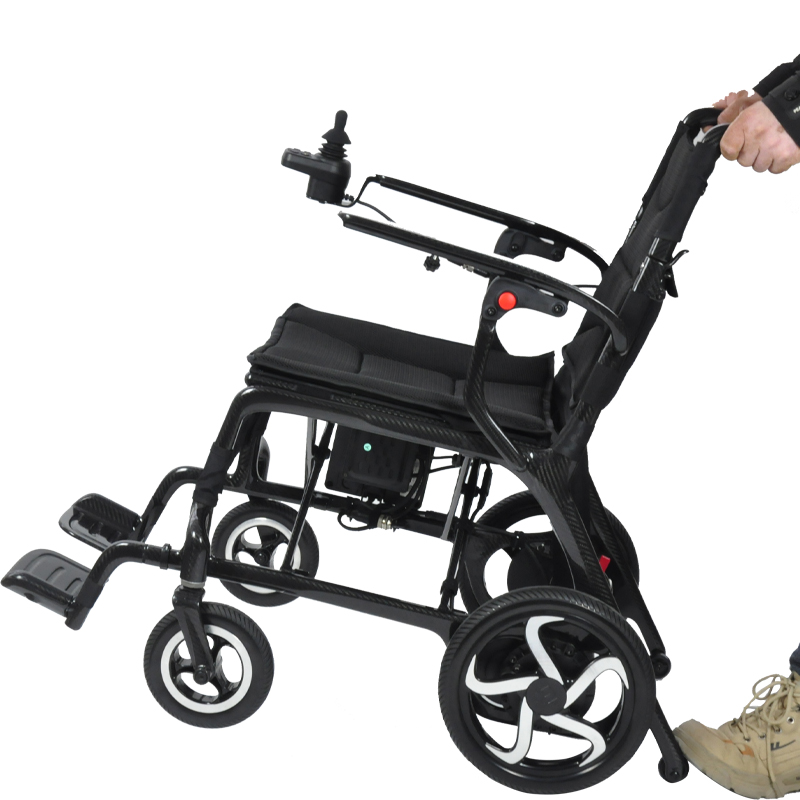
Sammendrag
En undersøkelse av mobilitetshjelpemidler i 2025 viser at avanserte materialer har hatt en betydelig innvirkning på brukernes uavhengighet, særlig gjennom fremveksten av elektriske rullestoler i karbonfiber. Denne analysen gir et komparativt rammeverk for å evaluere disse hjelpemidlene, med særlig fokus på fremtredende modeller som Pride Jazzy Carbon og tilbud fra spesialiserte produsenter som Richall Medical. Diskusjonen dreier seg om fem sentrale faktorer: materialvitenskap og vekt, batteriets ytelse og rekkevidde, bærbarhet og sammenleggingsmekanikk, langsiktig holdbarhet og det samlede verditilbudet, inkludert ettersalgssupport. Ved å analysere de tekniske prinsippene, ergonomiske hensyn og praktiske brukstilfeller knyttet til disse stolene, fungerer dette dokumentet som en objektiv veiledning for forbrukerne. Den navigerer gjennom kompleksiteten i tekniske spesifikasjoner og markedsvariasjoner for å hjelpe brukere, omsorgspersoner og helsepersonell til å ta en velbegrunnet og informert beslutning som er i tråd med individuelle mobilitetsbehov og livsstilsønsker.
De viktigste erfaringene
- Karbonfiber gir overlegen styrke i forhold til vekt, noe som gjør rullestolene lettere og enklere å løfte.
- Batteriets rekkevidde påvirkes av brukerens vekt, terreng og hastighet; ta hensyn til reell bruk.
- Evaluer sammenleggingsmekanismer for brukervennlighet, spesielt for reiser og daglig transport.
- Verdien av en Pride Carbon-rullestol strekker seg lenger enn til pris, og omfatter også holdbarhet og støtte.
- Se etter batterier som er godkjent av flyselskapet hvis du planlegger å reise ofte med fly.
- En elektrisk rullestol i karbonfiber av høy kvalitet øker uavhengigheten og reduserer brukerens tretthet.
- Prioriter produsenter med sterk FoU, kvalitetskontroll og ettersalgsservice.
Innholdsfortegnelse
- Den materielle revolusjonen innen personlig mobilitet
- Faktor 1: Et dypere blikk på vekt og materialintegritet
- Faktor 2: Undersøke batteriets ytelse og den reelle rekkevidden
- Faktor 3: Kunsten å være portabel og reisevennlig
- Faktor 4: Konstruksjon for holdbarhet og komfortabel kjøring
- Faktor 5: Beregning av sann verdi utover den opprinnelige prislappen
- Ofte stilte spørsmål (FAQ)
- Konklusjon
- Referanser
Den materielle revolusjonen innen personlig mobilitet
Når vi tenker på selve frihetsbegrepet, tenker vi ofte i store, abstrakte termer. Men for mange er frihet noe høyst håndgripelig. Det er muligheten til å navigere i hjemmet, besøke en lokal park, reise for å besøke familien eller rett og slett bevege seg gjennom verden med verdighet og selvstendighet. I flere tiår har den elektriske rullestolen vært en hjørnestein i denne konkrete friheten, men den har ofte kommet med en betydelig ulempe: vekt. Selv om tradisjonelle stål- eller aluminiumsrammer var sterke, var de tungvinte, vanskelige å transportere og krevde ofte hjelp av andre for å bli løftet inn i et kjøretøy. Det er her introduksjonen av karbonfiber har ført til ikke bare en evolusjon, men en ekte revolusjon.
For å forstå betydningen av en elektrisk rullestol i karbonfiber, må vi først forstå selve materialet. Forestill deg en tråd med en diameter på fem til ti mikrometer - tynnere enn et menneskehår - som nesten utelukkende består av karbonatomer. Disse trådene veves sammen til et stoff, som deretter legges i flere lag og settes inn i en polymerharpiks. Resultatet er et komposittmateriale som er forbløffende sterkt og stivt, kilo for kilo. Dette er ikke bare et nytt metall, det er en helt ny kategori av materialer. La oss ta en direkte sammenligning for å forstå omfanget av dette skiftet.
Oppgjøret om materiell eiendom: Rammeverket for mobilitet
| Eiendom | Stål | Aluminium | Karbonfiberkompositt |
|---|---|---|---|
| Tetthet (g/cm³) | ~7.85 | ~2.7 | ~1.6 |
| Strekkfasthet | Høy | Medium | Eksepsjonelt høy |
| Stivhet | Høy | Medium | Svært høy (innstillbar) |
| Motstandsdyktighet mot korrosjon | Lav (ruster) | Høy | Svært høy |
| Motstandsdyktighet mot utmattelse | Moderat | Lav til moderat | Utmerket |
Som tabellen illustrerer, er karbonfiber ikke bare lettere enn aluminium og stål; det har også en overlegen styrkeprofil og er praktisk talt immun mot korrosjonen som kan ramme metallrammer over tid (Bansal & Lam, 2021). Denne unike kombinasjonen av egenskaper gjør det mulig for ingeniørene å designe en elektrisk rullestol i karbonfiber som både er utrolig robust og bemerkelsesverdig lett, noe som endrer brukeropplevelsen fundamentalt. Den elektriske rullestolen forvandles fra å være et potensielt tungvint hjelpemiddel til et frigjørende verktøy som er langt enklere å håndtere, brette sammen og transportere på egen hånd.
Faktor 1: Et dypere blikk på vekt og materialintegritet
Den mest umiddelbare og berømte fordelen med en elektrisk rullestol i karbonfiber er den reduserte vekten. Begrepet "lett" kan imidlertid være nyansert, og en gjennomtenkt evaluering krever at man ser lenger enn bare til det overordnede tallet. Det er ikke bare totalvekten som er viktig, men også hvordan vekten er oppnådd og hva den betyr for stolens generelle design og kvalitet.
Dekonstruksjon av "lettvekt": Hva tallene egentlig betyr
Når du ser en vektangivelse for en elektrisk rullestol, er det viktig å spørre: Inkluderer dette batteriene? Batterier, særlig eldre blybatterier, kan bidra med en betydelig vekt. Moderne litium-ion-batterier har redusert dette, men de utgjør fortsatt en betydelig del av den totale vekten. For eksempel kan en stol som er oppgitt å veie 45 kg, veie 45 kg med batteriet installert. Denne forskjellen er avgjørende for alle som skal løfte stolen. Mange ledende produsenter, inkludert de som produserer stoler som Pride Jazzy Carbon, er åpne om dette, og oppgir ofte vekten både med og uten batteri. En stol kan for eksempel ha en vekt på rundt 16 kg på understellet og en totalvekt på 18-19 kg når litiumbatteriet er montert. Denne typen detaljer er kjennetegnet på et anerkjent merke.
Rullestolen Pride Carbon: En referanse innen design
Modeller som Pride Jazzy Carbon fungerer som en viktig referanse i de nordamerikanske og europeiske markedene. De representerer en samlet innsats fra en etablert produsent for å integrere denne nye materialvitenskapen i en brukervennlig pakke. Designfilosofien bak Pride Jazzy Carbon-rullestoler prioriterer vanligvis en balanse mellom lav vekt for bærbarhet og det robuste funksjonssettet som brukerne forventer, for eksempel komfortabelt sete, intuitive kontroller og pålitelig ytelse. Rammens konstruksjon er avgjørende; den må være stiv nok til å gi en stabil kjøretur og overføre kraft effektivt fra motorene til hjulene, samtidig som den er lett nok til å kunne løftes med minimal belastning.
Komparativ analyse: Richall Medical og det globale markedet
Pride Mobility er et kjent navn, men det globale markedet er rikt på innovasjon. Spesialiserte produsenter som karbonfiber elektrisk rullestol merkevare har dedikert sin forskning og utvikling til å perfeksjonere den elektriske rullestolen i karbonfiber. Ved å fokusere intenst på denne nisjen kan de ofte flytte grensene for hva som er mulig. For eksempel er modeller som Richall CF-Mini oppført med en vekt helt ned til 34 pund (ca. 15,4 kg), noe som plasserer dem helt i forkant av ultralettvektskategorien. La oss sammenligne noen illustrerende modeller for å se hvordan disse spesifikasjonene står seg i 2025.
2025 Sammenligning av lette elektriske rullestolmodeller
| Funksjon | Pride Jazzy Carbon | Richall CF-EW01 | Richall W3902 |
|---|---|---|---|
| Rammemateriale | Karbonfiber | 100% Karbonfiber | Karbonfiber |
| Total vekt (med batteri) | ~43,6 lbs (19,8 kg) | ~42 lbs (19 kg) | ~18,8 kg (41,4 lbs) |
| Vekt (uten batteri) | ~39 lbs (17,7 kg) | ~38 lbs (17,2 kg) | ~16,3 kg (35,9 lbs) |
| Vektkapasitet | 136 kg (300 lbs) | 120 kg (265 lbs) | 136 kg (300 lbs) |
| Sammenleggbar mekanisme | Manuell bretting | Brett med ett klikk | Manuell/automatisk opsjon |
Denne sammenligningen viser hvor konkurransepreget markedet er. Pride Carbon Wheelchair (Jazzy Carbon) har en utmerket vektkapasitet, men konkurrentene oppnår tilsvarende eller til og med lavere basisvekter, ofte med avanserte funksjoner som sammenleggingsmekanismer med ett klikk. Den avgjørende innsikten er at materialet i seg selv utgjør en plattform, men at det endelige produktets fortreffelighet avhenger av produsentens tekniske ferdigheter og fokus på brukersentrert design.
Faktor 2: Undersøke batteriets ytelse og den reelle rekkevidden
Hvis karbonfiberrammen er skjelettet i en moderne elektrisk rullestol, er batteriet hjertet. En lettvektsramme er til liten nytte hvis strømkilden er utilstrekkelig, slik at brukeren blir sittende fast eller bundet til et ladeuttak. Angsten for å gå tom for strøm - ofte kalt "rekkeviddeangst" - er en reell bekymring, og det er viktig å forstå batteriteknologien for å kunne lindre den.
Forstå strømkilden: Litium-ion og flyreiser
De aller fleste førsteklasses elektriske rullestoler, inkludert Pride Carbon Wheelchair og modeller fra Richall, bruker litium-ion-batterier (Li-ion). Innføringen av disse batteriene har vært like banebrytende som bruken av karbonfiber. Sammenlignet med eldre forseglede blybatterier (SLA-batterier) har litium-ion-batterier betydelig høyere energitetthet, noe som betyr at de kan lagre mer strøm i en mye lettere og mindre innpakning (Tarascon & Armand, 2001). De har også lengre levetid, og tåler flere lade- og utladningssykluser før kapasiteten forringes.
For mange brukere er flyreiser en kritisk faktor. Det er her batterispesifikasjonene blir spesielt viktige. De fleste flyselskaper har strenge regler for litium-ion-batterier, vanligvis basert på batteriets Watt-timer (Wh). Batterier under 100 Wh kan vanligvis tas med på flyet, mens batterier mellom 100 Wh og 160 Wh ofte må godkjennes av flyselskapet. Mange produsenter av sammenleggbare elektriske rullestoler designer produktene sine med dette i tankene, og bruker ofte to mindre batterier som faller under 100 Wh-grensen, eller tilbyr ett enkelt batteri som oppfyller kravene. Richall reklamerer for eksempel med at modellene deres leveres med litiumbatterier som er godkjent av flyselskapene, noe som skal gi reisende trygghet. Sjekk alltid med det aktuelle flyselskapet før du flyr, ettersom regelverket kan variere.
Virkelig rekkevidde i forhold til produsentens påstander
Når du ser et estimat for rekkevidde, for eksempel "opptil 20 km" eller "opptil 12 miles", er det best å se på dette som et idealscenario. Den faktiske distansen du kan kjøre på én lading, påvirkes av flere dynamiske faktorer:
- Brukervekt: En tyngre person vil kreve mer energi for å bevege seg, noe som reduserer den totale rekkevidden.
- Terreng: Å kjøre på jevne, flate overflater krever langt mindre kraft enn å klatre opp bakker, navigere på tykke tepper eller krysse ujevnt underlag som gress eller grus.
- Hastighet: Konstant kjøring i toppfart vil tappe batteriet raskere enn å holde et moderat, jevnt tempo.
- Temperatur: Batterier fungerer mindre effektivt i svært kaldt vær, noe som kan redusere kapasiteten og rekkevidden midlertidig.
En pragmatisk tilnærming er å betrakte produsentens krav som et maksimum, og deretter justere forventningene dine basert på dine personlige forhold og typiske omgivelser. Hvis du har en hverdag med bratte stigninger, bør du velge en modell med større batterikapasitet for å sikre at du har en komfortabel buffer.
Komfortabel lading og moderne funksjoner
De praktiske aspektene ved lading er også en del av eieropplevelsen. De fleste elektriske rullestolmodeller i karbonfiber bruker mellom 4 og 6 timer på å lade stolen helt opp fra tom tilstand. Noen modeller har en praktisk offboard-lading, slik at du kan ta ut det lette batteriet og lade det innendørs mens stolen står i bilen eller garasjen. Avanserte modeller kan også ha gjennomtenkte funksjoner som en USB-ladeport på joystick-kontrolleren, slik at du kan lade smarttelefonen eller andre enheter mens du er på farten - en liten, men betydelig forbedring av livskvaliteten. Noen ladere har også innebygd beskyttelse mot overlading, og slår seg automatisk av når batteriet er fullt, noe som bidrar til å bevare batteriets helse på lang sikt.
Faktor 3: Kunsten å være portabel og reisevennlig
Løftet om en lett elektrisk rullestol i karbonfiber handler ikke bare om hvor lett den er å løfte; det handler om den sømløse integreringen av enheten i en mobil, aktiv livsstil. Det er her bærbarhet, sammenleggingsmekanismer og reiseberedskap blir definerende egenskaper ved et virkelig overlegent produkt.
Brettingens mekanikk: Fra manuell til automatisk
Hvordan en rullestol brettes sammen er avgjørende for den daglige brukbarheten. En dårlig utformet mekanisme kan være frustrerende og fysisk krevende, og dermed oppheve noen av fordelene med en lettvektsramme.
- Manuell sammenlegging: Dette er den vanligste typen. I en godt designet stol skal det være en flytende, intuitiv prosess. På mange modeller innebærer det å løsne en lås og løfte en del av setet eller rammen, slik at stolen klapper sammen innover, omtrent som en barnevogn. Pride Jazzy Carbon, for eksempel, er designet med fokus på en enkel og sikker manuell sammenfolding.
- Folding med ett klikk eller hurtigutløsning: Dette er en forbedring av den manuelle foldingen. Det kan innebære en enkelt knapp eller spak som frigjør alle de nødvendige låsene samtidig, noe som forenkler prosessen til ett eller to forskjellige trinn. Richall CF-EW01s "ett-klikk"-mekanisme er et eksempel på en slik brukersentrert design.
- Automatisk sammenleggbar: Dette er det ypperste av bekvemmelighet, og finnes ofte på premiummodeller. Ved å trykke på en knapp på stolen eller på en fjernkontroll folder rullestolen seg sammen eller ut ved hjelp av sine egne motorer. For brukere med begrenset styrke eller fingerferdighet, eller for omsorgspersoner som må håndtere stolen samtidig som de hjelper brukeren, kan denne funksjonen være helt avgjørende.
Valget mellom disse mekanismene avhenger av individuelle behov og budsjett. Selv om automatisk folding er en fantastisk luksus, kan et velutviklet manuelt system eller ettklikkssystem være fullt tilstrekkelig og svært effektivt for de fleste brukere.
Navigere rundt i verden: Flyplasser, biler og offentlig transport
En virkelig bærbar, sammenleggbar elektrisk rullestol kommer til sin rett når du tar den med på tur. Den kompakte, sammenfoldede formen skal være enkel å håndtere. Målet er at den skal kunne stues inn i bagasjerommet på en vanlig bil uten å måtte demonteres eller kreve en spesialheis. De sammenfoldede målene, som vanligvis oppgis av produsenten, er et viktig mål her. En stol som kan brettes sammen til en pen, rektangulær form, er mye enklere å pakke sammen og oppbevare enn en stol med en vanskelig, uregelmessig profil.
For flyreiser involverer prosessen mer enn bare batteriet. På flyplassen kan du vanligvis kjøre rullestolen helt frem til gaten. Der vil flyselskapets personale ta med stolen for å oppbevare den i flyets lasterom. Det anbefales på det sterkeste å bruke en slitesterk reiseveske for å beskytte stolen mot skader under transporten. En stol som både er lett og kompakt sammenfoldet, gjør hele prosessen enklere for både deg og flypersonalet. A Richall elektrisk rullestol i karbon kan gi mer spesifikke tips om å reise med bevegelseshjelpemidler.
Lagring av fotavtrykk: Å leve med rullestolen din
Til slutt bør du vurdere hvor rullestolen skal stå når den ikke er i bruk. I leiligheter eller mindre hjem er det trangt om plassen. En elektrisk rullestol i karbonfiber som kan foldes sammen til en kompakt, selvstående enhet, kan gjemmes bort i et skap eller et hjørne, slik at den gjør minst mulig inngripen i boligen. Dette er en praktisk hverdagsfordel som ofte blir oversett, men som bidrar betydelig til den generelle tilfredsheten med produktet. Muligheten til å gjenvinne plassen og slippe å la hjemmet domineres av et stort medisinsk utstyr er et subtilt, men viktig aspekt ved det å opprettholde et normalt, uavhengig liv.
Faktor 4: Konstruksjon for holdbarhet og komfortabel kjøring
Selv om lav vekt og bærbarhet er de viktigste egenskapene til en elektrisk rullestol i karbonfiber, må det ikke gå på bekostning av holdbarhet og kjøreegenskaper. En stol som føles spinkel eller gir en skranglete kjøretur, vil ikke være en behagelig følgesvenn på lang sikt. Stolens integritet er et bevis på produsentens tekniske dyktighet og engasjement for kvalitet utover overflatespesifikasjonene.
Mer enn vekt: Styrken til karbonveven
Det er en vanlig misforståelse at all karbonfiber er lik. Den endelige styrken, stivheten og elastisiteten til en karbonfiberramme avhenger av flere faktorer, blant annet kvaliteten på karbontrådene, hvilken type veving som brukes, den spesifikke harpiksformelen og selve produksjonsprosessen (f.eks. støping og herding). En anerkjent produsent investerer mye i å få dette til. De utfører grundige stresstester og finite element-analyser (FEA) for å identifisere potensielle svake punkter og forsterke dem deretter. Dette er grunnen til at en velprodusert elektrisk rullestol i karbonfiber føles solid og responsiv, uten bøying eller knirking som kan plage produkter av lavere kvalitet. Rammen skal føles som en sammenhengende enhet som inngir tillit.
Fjæring, hjul og jakten på komfort
En potensiell ulempe med en svært stiv og lett ramme er at den kan overføre mer vibrasjoner fra underlaget til brukeren. En jevn kjøring er ingen luksus; det er avgjørende for komforten og for å redusere tretthet, spesielt for dem som bruker stolen i lengre perioder. Produsentene tar tak i dette på flere måter:
- Opphengssystemer: Noen modeller har enkle fjæringselementer, ofte med støtdempende polymerer eller fjærer i bakhjulsenheten. Dette bidrar til å dempe ujevnheter og vibrasjoner fra ujevnt underlag.
- Valg av dekk: Type og størrelse på dekkene spiller en stor rolle. De fleste sammenleggbare lettvektsmodeller bruker solide (luftfrie) dekk for å eliminere risikoen for punktering. Gummiblandingen i disse dekkene kan imidlertid være konstruert for å gi bedre støtdemping. Hjul med større diameter har også en tendens til å rulle over hindringer og sprekker jevnere enn mindre hjul.
- Demping: Sitteputen er det siste og mest direkte kontaktpunktet. Trykkavlastende skum- eller geleputer av høy kvalitet er avgjørende for komfort hele dagen og for å forebygge trykksår.
En komfortabel kjøretur er et resultat av at disse elementene fungerer i harmoni - en stiv ramme for stabilitet, supplert med fjæring og riktige dekk for jevnhet, og toppet med en støttende pute.
Vedlikehold og lang levetid: De skjulte aspektene ved eierskapet
En vesentlig fordel med en karbonfiberramme er at den er korrosjonsbestandig. I motsetning til stål ruster den ikke, og i motsetning til aluminium er den mindre utsatt for visse typer miljøforringelse. Dette betyr generelt mindre vedlikehold. Helt vedlikeholdsfritt er det imidlertid ikke. Det er lurt å sjekke med jevne mellomrom at alle bolter og festeanordninger sitter som de skal, og å holde stolen ren.
Produktets levetid er også knyttet til produsentens garanti og tilgjengelighet av deler. En garanti på ett eller to år på rammen og elektronikken er en standardindikator på produsentens tillit til produktet. Hvis en del skulle svikte utenfor garantiperioden, er det avgjørende at det er enkelt å få tak i en ny joystick, motor eller et nytt hjul. Det er her det å velge et veletablert merke som Pride Mobility eller en dedikert spesialist som Richall, som har klare systemer for ettersalgssupport, gir langsiktig sikkerhet for investeringen din.
Faktor 5: Beregning av sann verdi utover den opprinnelige prislappen
En elektrisk rullestol i karbonfiber representerer en betydelig økonomisk investering. Det er naturlig å fokusere på prisen, men den virkelige verdien av enheten er en mer kompleks ligning. Det handler om å balansere den opprinnelige kostnaden mot stolens funksjoner, dens holdbarhet på lang sikt, kvaliteten på brukeropplevelsen den gir, og støtten som tilbys av produsenten. En billig stol som svikter eller er vanskelig å bruke, er ikke noe røverkjøp i det hele tatt.
Investeringen på forhånd: En kost-nytte-analyse
Det er ingen tvil om at en Pride-rullestol i karbonfiber eller en tilsvarende modell fra en konkurrent koster mer enn tilsvarende modeller i aluminium eller stål. Denne merprisen skyldes de høye kostnadene for råmaterialet karbonfiber og den komplekse, arbeidsintensive produksjonsprosessen som kreves for å forme det til en rullestolramme. Man må imidlertid ta i betraktning fordelene som denne investeringen gir:
- Uavhengighet: Når du kan løfte rullestolen din selv inn i bilen, trenger du ikke lenger hjelp av en pleier eller en kostbar bilheis. Hva er verdien av denne nyvunne friheten?
- Helse og sikkerhet: For en ektefelle eller omsorgsperson utgjør gjentatte løft av en tung rullestol på 60 eller 70 kilo en reell risiko for ryggskader. En stol på 40 kilo reduserer denne risikoen betydelig.
- Holdbarhet: En korrosjonsbestandig og utmattingsbestandig ramme vil sannsynligvis vare lenger, noe som kan spare deg for utskiftingskostnader på sikt.
- Reisemuligheter: Det at disse stolene er bærbare og flyvennlige, åpner for reisemuligheter som kanskje ville vært umulige med en tyngre og mer uhåndterlig enhet.
Sett gjennom dette perspektivet kan den høyere startkostnaden ses på som en investering i livskvalitet, sikkerhet og langsiktig brukervennlighet.
Betydningen av FoU og merkevarens omdømme
Prisen på en elektrisk rullestol i karbonfiber av høy kvalitet gjenspeiler også de enorme investeringene i forskning og utvikling (FoU). Selskaper som har egne store anlegg, erfarne ingeniørteam og strenge kvalitetskontrollsystemer, setter ikke bare sammen deler; de designer og bygger et integrert mobilitetssystem. For eksempel investerer en produsent med et 28 000 kvadratmeter stort anlegg og et team med over to tiårs erfaring, som beskrevet i Richalls profil, i den underliggende kvaliteten og påliteligheten til produktene sine. De har patenter, søker internasjonale sertifiseringer (som CE for Europa og FDA for USA) og videreutvikler hele tiden designen. Denne forpliktelsen til kvalitet er en del av det du betaler for, og det er det som skiller et førsteklasses produkt fra en generisk imitasjon. Ved å velge et velrenommert merke kjøper du deg inn i en historie med ekspertise og en forpliktelse til brukertilfredshet.
Støtte etter salg: Det usynlige sikkerhetsnettet
Hva skjer hvis noe går galt? Dette er kanskje et av de mest kritiske spørsmålene man bør stille seg før man går til innkjøp. Verdien av en solid ettersalgsservice kan ikke overvurderes. En god produsent vil tilby:
- En tydelig garanti: En omfattende garanti som dekker rammen, motorene og elektronikken i en rimelig periode.
- Teknisk støtte: Tilgang til kunnskapsrike teknikere som kan hjelpe deg med å diagnostisere problemer over telefon eller via videosamtale.
- Tilgjengelighet av deler: Et system for rask levering av reservedeler, enten det er under garanti eller for kjøp.
Dette støttenettverket er sikkerhetsnettet ditt. Det gir deg trygghet for at mobiliteten din ikke vil bli svekket lenge hvis det oppstår et problem. Før du kjøper, er det lurt å undersøke produsentens retningslinjer for support og lese anmeldelser fra andre kunder om deres serviceopplevelser. Denne siste brikken i verdipuslespillet er det som sikrer at den elektriske rullestolen i karbonfiber forblir et pålitelig og kraftfullt verktøy i årene som kommer.
Ofte stilte spørsmål (FAQ)
Hva er den største fordelen med en elektrisk rullestol i karbonfiber fremfor en modell i aluminium?
Den største fordelen er det overlegne forholdet mellom styrke og vekt. En karbonfiberramme kan være like sterk eller til og med sterkere enn en aluminiumsramme, samtidig som den er betydelig lettere. Dette gjør stolen mye enklere å brette sammen, løfte og transportere for brukeren eller pleieren, noe som bidrar til økt mobilitet og uavhengighet. I tillegg er karbonfiber svært motstandsdyktig mot korrosjon og utmattelse, noe som kan bidra til en lengre levetid med mindre vedlikehold.
Er Pride Carbon rullestol (Jazzy Carbon) egnet for flyreiser?
Ja, Pride Jazzy Carbon er designet med tanke på flyreiser. Den har en lett, sammenleggbar ramme og drives av et litiumionbatteri som er godkjent av flyselskapet. Som med alle andre elektriske hjelpemidler er det viktig å kontakte flyselskapet i god tid før flyreisen for å få bekreftet deres spesifikke prosedyrer og krav for transport av en batteridrevet rullestol.
Hvor mye kan jeg forvente å betale for en elektrisk rullestol i karbonfiber av høy kvalitet i 2025?
Prisen kan variere betydelig avhengig av merke, funksjoner og teknologinivå. Innstegsmodeller fra anerkjente produsenter kan starte på rundt $1 000 til $1 500 USD. Mellomklassemodeller med flere funksjoner, som Pride Jazzy Carbon, ligger vanligvis i området $2 500 til $4 000. Avanserte modeller med avanserte funksjoner som automatisk sammenleggbar stol og førsteklasses fjæring kan koste mer enn $5 000.
Hva er en realistisk batterirekkevidde for en elektrisk rullestol i karbonfiber?
Selv om produsentene kan oppgi en rekkevidde på opptil 20-25 km, bør en realistisk forventning tilpasses din spesifikke bruk. Faktorer som brukerens vekt, kjøring i bakker eller på mykt underlag og hyppige stopp og kjøring vil redusere rekkevidden. For gjennomsnittlig daglig bruk bør du planlegge for en rekkevidde på 11-16 km, noe som gir en komfortabel buffer og bidrar til å unngå rekkeviddeangst.
Hvor vanskelig er det å brette og løfte disse rullestolene?
Det er her de utmerker seg. De fleste karbonfibermodellene er designet for enkel, intuitiv sammenfolding. Den totale vekten, vanligvis mellom 17-20 kg, er håndterbar for mange personer, eller kan enkelt håndteres av en enkelt omsorgsperson. Til sammenligning kan tradisjonelle elektriske rullestoler veie 60-100 kg eller mer, noe som gjør dem nesten umulige å løfte uten assistanse eller lift.
Er disse lette stolene komfortable nok til å brukes hele dagen?
Ja, når den er riktig utformet. Selv om rammen er lett, prioriterer produsentene komfort. Se etter modeller med trykkavlastende seteputer av høy kvalitet, tilstrekkelig ryggstøtte og en eller annen form for fjæring eller støtdempende dekk for å jevne ut kjøringen. En godt tilpasset elektrisk rullestol i karbonfiber av høy kvalitet kan være svært komfortabel i lengre perioder.
Hva slags vedlikehold krever en rullestol i karbonfiber?
Vedlikeholdet er generelt minimalt. Selve karbonfiberrammen er rustfri og svært slitesterk. Rutinemessig vedlikehold innebærer å holde stolen ren, sjekke dekkenes tilstand (hvis de er luftfylte, selv om de fleste er solide) og sørge for at alle bolter og festeanordninger er stramme. Batteriet bør lades i henhold til produsentens anvisninger for å maksimere levetiden.
Konklusjon
Reisen mot større uavhengighet er en dypt personlig reise, og de hjelpemidlene vi velger for å hjelpe oss på denne veien, er av stor betydning. Utviklingen av den elektriske rullestolen i karbonfiber markerer en viktig milepæl på denne reisen. Den representerer en mesterlig sammensmelting av materialvitenskap, ingeniørkunst og menneskesentrert design. Ved å overskride de tradisjonelle vektbegrensningene tilbyr disse hjelpemidlene en portabilitet og frihet som tidligere var utenkelig for mange brukere av elektriske rullestoler.
Vår undersøkelse av de fem kritiske faktorene - vekt, batteriytelse, bærbarhet, holdbarhet og verdi - viser at det å velge riktig stol er en nyansert beslutning. Det krever at man ser forbi markedsføringen og setter seg inn i spesifikasjonene på en gjennomtenkt måte. Enten du vurderer en referansemodell som Pride Carbon Wheelchair eller utforsker de nyeste innovasjonene fra spesialiserte produsenter, vil det beste valget alltid være det som passer best med dine individuelle behov, din livsstil og dine ambisjoner. Det endelige målet er ikke bare å anskaffe et medisinsk utstyr, men å ta i bruk et verktøy som gjør det mulig for deg å leve et mer fullverdig liv, reise mer fritt og engasjere deg i verden på dine egne premisser.
Referanser
Bansal, R. C., & Lam, D. H. (2021). Karbonmaterialer: Vitenskap og anvendelser. World Scientific. https://doi.org/10.1142/12117
electricwheelchair.en.made-in-china.com. (2025). Richall automatisk sammenleggbar lett elektrisk rullestol fjernkontroll karbonfiber elektrisk rullestol. Made-in-China.com. https://electricwheelchair.en.made-in-china.com/product/OdofkxVvLlGs/China-Richall-Automatic-Folding-Lightweight-Power-Wheelchair-Remote-Control-Carbon-Fibre-Electric-Wheelchair.html
dahlmedicalsupply.com. (2024). Kraftmobilitet. Dahl Medical Supply. ?srsltid=AfmBOornW-fiRU1oWrCVb96QEt9PgFKfq56vb4WFcWc-rVPIKFm_fr
richallmed.com. (2025). RICHALL: Ledende leverandør av elektriske rullestoler i karbonfiber.... Zhejiang Richall Medical Technology Co, Ltd. https://www.richallmed.com/
richallmed.com. (2025). Topp 5 lette elektriske rullestoler under 50 pund. Zhejiang Richall Medical Technology Co, Ltd. https://www.richallmed.com/Top-5-Lightweight-Electric-Wheelchairs-Under-50-Pounds-id41635416.html
richallmed.com. (2023). RC-W3501 Elektrisk rullestol i karbon og aluminium. Zhejiang Richall Medical Technology Co, Ltd. https://www.richallmed.com/RC-W3501-Carbon-aluminum-Electric-Wheelchair-pd559069078.html
richallmed.com. (2023). RC-W3902 Bestselger all karbon elektrisk rullestol. Zhejiang Richall Medical Technology Co, Ltd. https://www.richallmed.com/RC-W3902-Best-Seller-All-Carbon-Electric-Wheelchair-pd546915278.html
richallmed.com. (2023). N3901 all-karbon elektrisk. Zhejiang Richall Medical Technology Co, Ltd. https://www.richallmed.com/N3901-All-carbon-Electric-pd711765188.html
Tarascon, J. M., & Armand, M. (2001). Problemer og utfordringer knyttet til oppladbare litiumbatterier. Nature, 414(6861), 359-367. https://doi.org/10.1038/35104644

.png)
