.png)
.png)
En praktisk købsvejledning til 2026: 5 faktorer til valg af prisbillige elektriske kørestole af kulfiberaluminium til globale markeder
30. december 2025
Abstrakt
Valget af et personligt mobilitetshjælpemiddel er en vigtig beslutning, der har indflydelse på den enkeltes selvstændighed, sociale deltagelse og generelle livskvalitet. Denne analyse undersøger de centrale faktorer, der spiller ind ved valget mellem elektriske kørestole fremstillet af kulfiber, aluminium eller en kombination af begge materialer, specifikt set i lyset af global tilgængelighed og prisoverkommelighed i 2026. Den udforsker de materialevidenskabelige grundlag for kulfiber og aluminiumslegeringer og knytter deres fysiske egenskaber – såsom vægt, styrke og holdbarhed – til brugernes praktiske, konkrete oplevelser. Undersøgelsen omfatter også designmæssige overvejelser, herunder bærbarhed og overholdelse af internationale rejsebestemmelser, især vedrørende lithium-ion-batterier. Præstationsmålinger som motorteknologi, batterilevetid og terrængående egenskaber analyseres i detaljer. Den økonomiske dimension undersøges gennem en ramme for de samlede ejeromkostninger, hvor det vurderes, hvordan producenterne gør avancerede materialer mere tilgængelige. Betydningen af et støttende økosystem, der omfatter eftersalgsservice og tilpasning, betragtes også som en afgørende komponent for brugertilfredshed på lang sigt.
Vigtige pointer
- Vurder afvejningen mellem kulfiberens lethed og aluminiumets lavere anskaffelsespris.
- Vælg en sammenklappningsmekanisme og en samlet vægt, der passer til dine fysiske evner og din livsstil.
- Kontroller, at batteriets specifikationer overholder flyselskabets regler for rejser uden begrænsninger.
- En undersøgelse af prisvenlige elektriske kørestole i kulfiber og aluminium til de globale markeder kan føre til løsninger med høj værdi.
- Sørg for, at producenten tilbyder solid kundeservice og en omfattende garanti.
- Vælg motorkraft og hjuludformning ud fra de terrænforhold, du primært skal køre i.
Indholdsfortegnelse
- En dybdegående undersøgelse af materialevidenskab og dens indvirkning på mennesket
- Design, bærbarhed og stræben efter ubegrænset bevægelsesfrihed
- En analyse af præstation: Kraft, udholdenhed og praktisk anvendelighed
- Den økonomiske ligning: At afveje startomkostninger mod langsigtet værdi
- Supportøkosystemet: Service, tilpasning og brugerfokus
- Ofte stillede spørgsmål (FAQ)
- En afsluttende betragtning om evner og trivsel
- Referencer
En dybdegående undersøgelse af materialevidenskab og dens indvirkning på mennesket
Når vi begynder at udforske verdenen af moderne hjælpemidler til mobilitet, kan det føles som at træde ind i et ingeniørværksted. Vi støder på udtryk som »aluminium af rumfartskvalitet« og »kulfiberkomposit«. Det er nemt at føle sig lidt fortabt. Mit formål her er ikke at overvælde dig med teknisk jargon, men snarere at fungere som en guide, der oversætter disse tekniske begreber til konkrete, menneskelige termer. Hvordan påvirker valget af metal eller komposit i din kørestolsramme din evne til at besøge dine børnebørn, til at finde vej gennem et travlt marked i en ny by eller blot til at leve med større lethed i dit eget hjem? Materialerne er ikke blot specifikationer på et produktblad; de er selve grundlaget for din daglige frihed. Lad os begynde med at se nærmere på de to mest fremtrædende materialer på dagens marked: kulfiber og aluminium. De har hver deres historie, deres egne egenskaber og deres plads i verden af hjælpemidler.
Kulfiberens essens: Styrke uden den ekstra vægt
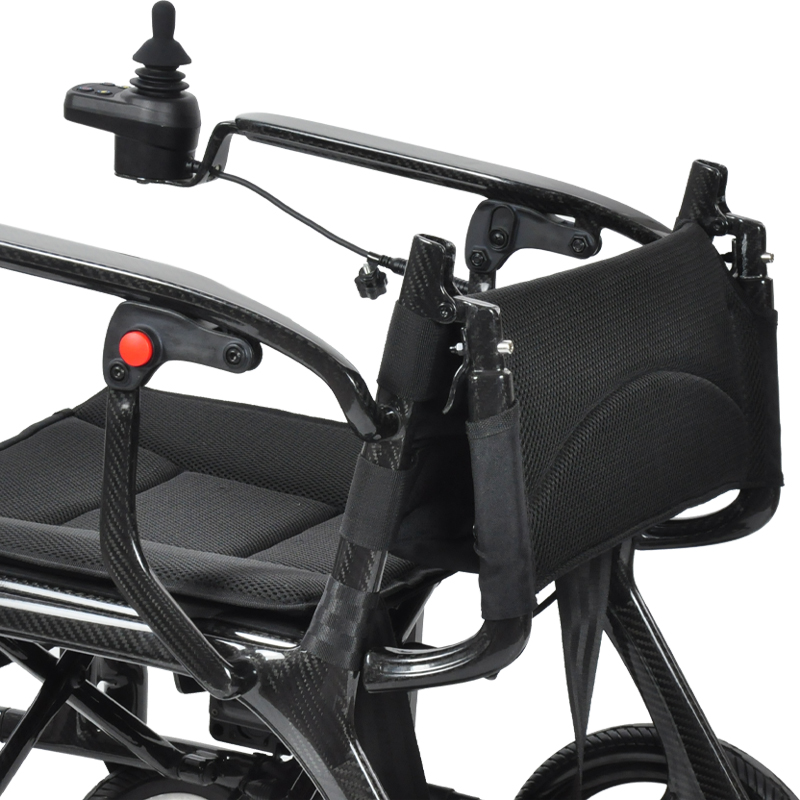
Forestil dig en tråd, der er tyndere end et menneskehår, men alligevel stærkere end stål. Forestil dig nu, at man væver tusindvis af disse tråde sammen til et stof og derefter belægger dette stof med en kraftig harpiks for at skabe en solid, sammenhængende struktur. Dette er den grundlæggende idé bag kulfiber. Det er ikke et metal, der udvindes fra jorden; det er et kompositmateriale, der er omhyggeligt udviklet i et laboratorium. Processen, der kaldes karbonisering, indebærer, at en polymerforløber opvarmes til utroligt høje temperaturer i et iltfrit miljø. Denne intense opvarmningsproces brænder næsten alle atomer, der ikke er kulstofatomer, væk, hvilket efterlader en kæde af tæt sammenkædede kulstofatomer.
Resultatet af denne avancerede proces er et materiale med et enestående styrke-til-vægt-forhold. Tænk på en Formel 1-racerbil eller et højtydende fly. Disse maskiner kræver en enorm strukturel styrke for at kunne modstå ekstreme kræfter, men samtidig betyder hvert gram, der spares i vægt, større hastighed og effektivitet. Kulfiber er løsningen. For en kørestolsbruger handler fordelen ikke om hastighed, men om at blive befriet for vægten. En ramme, der er stiv nok til at støtte dig sikkert, men samtidig let nok til at kunne løftes med minimal anstrengelse, ændrer fundamentalt dit forhold til omgivelserne. Det mindsker hindringerne for at sætte kørestolen ind i en bil, bære den op ad en kort trappe eller få en rejseledsager til at hjælpe dig uden besvær. Dette materiales modstandsdygtighed over for udmattelse betyder også, at det kan modstå de gentagne belastninger ved daglig brug – at køre over brosten, at støde mod dørkarme – uden at udvikle de mikrorevner, der med tiden kan svække svagere materialer.
Den pålidelige arbejdshest: En introduktion til aluminiumslegeringer
Aluminium føles derimod mere velkendt. Det er et materiale, vi støder på hver dag, lige fra drikkedåser til vinduesrammer. Når det gælder kørestole, taler vi typisk om aluminiumslegeringer. Rent aluminium er ret blødt, så det blandes med andre grundstoffer som magnesium, silicium eller zink for at skabe legeringer med øget styrke og holdbarhed. Serierne 6061 og 7075 er almindelige i kørestolsstel af høj kvalitet. Disse betegnes ofte som »aerospace«- eller »aircraft-grade«-aluminium, hvilket vidner om deres pålidelige ydeevne under belastning.
I årtier har aluminium været det foretrukne materiale til letvægtskørestole, og det er der en god grund til. Det giver en betydelig vægtreduktion i forhold til traditionelle stålrammer, hvilket gør mobilitetshjælpemidlerne mere håndterbare for en bredere gruppe af mennesker. Fremstillingsprocessen er veletableret, hvilket gør det langt mere omkostningseffektivt at producere end kulfiber. Denne økonomiske tilgængelighed er en stor fordel, da den gør det muligt for mange enkeltpersoner og sundhedssystemer med et begrænset budget at få adgang til funktionelle og relativt lette elektriske kørestole. Aluminium er også meget korrosionsbestandigt, hvilket er en vigtig egenskab for alle, der bor i et fugtigt klima, eller som risikerer at blive overrasket af et uventet regnskyl. Selvom det måske ikke har den samme fjerlette kvalitet eller ekstreme stivhed som kulfiber, udgør en velkonstrueret aluminiumsramme et pålideligt, gennemprøvet og overkommeligt grundlag for mobilitet.
En sammenlignende analyse for den almindelige bruger
For at kunne træffe et virkelig velinformeret valg er det en hjælp at se disse to materialer side om side. Den følgende tabel går ud over de abstrakte tal og knytter materialernes egenskaber til den konkrete oplevelse af at bruge en kørestol. Overvej, hvordan hver enkelt egenskab kan spille en rolle i netop din hverdag.
| Funktion | Kulfiber | Aluminiumslegering | Hvad det betyder for dig |
|---|---|---|---|
| Vægt | Ekstremt lav (f.eks. rammer, der vejer så lidt som 16–18 kg) | Lav (f.eks. rammer på ca. 20–25 kg) | En lettere stol er nemmere at løfte ind i et køretøj, bære og manøvrere, hvilket mindsker den fysiske belastning for dig eller en plejer. |
| Styrke-til-vægt-forhold | Exceptionelt høj | Høj | Kulfiber sikrer maksimal styrke ved den lavest mulige vægt og giver dermed solid støtte i en ultralet konstruktion. |
| Startomkostninger | Høj | Moderat til lav | Aluminium er et mere prisvenligt alternativ, hvilket gør det til et meget tilgængeligt valg for mange brugere på markederne verden over. |
| Holdbarhed og udmattelse | Fremragende modstandsdygtighed over for gentagen belastning. | God holdbarhed, men kan være mere udsat for buler eller slitage efter mange års brug. | En ramme af kulfiber er mindre tilbøjelig til at blive svækket ved langvarig brug på ujævne underlag og har derfor en overlegen holdbarhed. |
| Kørekomfort | Stiv; kan overføre flere vibrationer. | Mere fleksibel; kan absorbere mindre vibrationer. | Kulfiberens naturlige stivhed kan føles mindre behagelig på ujævnt underlag, hvis der ikke er et godt affjedringssystem. |
| Modstandsdygtighed over for korrosion | Modstandsdygtig over for rust. | Fremragende rustbestandighed. | Begge materialer er meget modstandsdygtige over for fugt, hvilket gør dem velegnede til forskellige klimaer. |
Design, bærbarhed og stræben efter ubegrænset bevægelsesfrihed
Kørestolens stel er dens sjæl, men dens design er dens personlighed. Hvordan en kørestol kan foldes sammen, hvor meget den vejer, og hvordan den overholder rejsebestemmelserne, er de faktorer, der afgør, om den er et nyttigt redskab eller en virkelig befriende partner i livets eventyr. Et genialt udviklet materiale nytter ikke meget, hvis det færdige produkt er besværligt eller begrænsende. Det ultimative mål for en moderne elektrisk kørestol er at nedbryde barrierer, ikke at skabe nye. Dette kræver en gennemtænkt tilgang til designet, hvor hvert hængsel, hver lås og hver komponent overvejes ud fra brugerens perspektiv. Det er i designets detaljer, at en kørestol forvandles fra blot at være et hjælpemiddel til at blive et pas til verden.
Foldningens mekanik: Fra manuel til automatisk
En elektrisk kørestols evne til at kunne foldes sammen er måske det allervigtigste designelement for alle, der rejser. Tænk blot på den simple handling at besøge en ven eller tage på restaurant. Turen foregår i bil. En elektrisk kørestol, der ikke kan foldes sammen, udgør en umiddelbar og ofte uoverstigelig hindring. En sammenfoldelig kørestol ændrer imidlertid hele situationen. De tidlige sammenklappelige modeller var ofte komplicerede og krævede flere trin, afmontering af dele og en del fysisk styrke. Selvom de var funktionelle, var de ikke altid brugervenlige.
I 2026 er teknologien blevet betydeligt mere avanceret. Mange stole, herunder stole af aluminium og Elektrisk kørestol i kulfiber Modellerne er nu udstyret med sammenklappningsmekanismer, der aktiveres med et enkelt tryk eller et enkelt klik. Disse konstruktioner, som man f.eks. ser i visse modeller fra Richall Medical, udnytter smart geometri og låsesamlinger, der gør det muligt at klappe stolen sammen til en kompakt og håndterbar form ved blot at trække i en håndtag eller trykke på en knap (Richall Med, u.d.-a). De mest avancerede modeller tilbyder endda fjernbetjent automatisk sammenklapning, hvor stolen klapper sammen eller udfolder sig selv ved et tryk på en knap på en nøglebrik. Dette kan virke som en luksus, men for en bruger med begrænset bevægelighed i overkroppen eller grebsstyrke er det en funktion, der i sig selv muliggør uafhængig rejse. Stolens størrelse i sammenklappet tilstand er lige så vigtig. En kørestol, der kan foldes sammen til en pæn, rektangulær form, der ligner et stykke bagage, er langt nemmere at opbevare i en bilbagagerum, et skab eller i lastrummet på et krydstogtskib.
Vægt som et afgørende element for uafhængighed
Lad os tale klart om vægt. En forskel på fem kilo lyder måske ikke af meget på papiret, men i virkeligheden er den enorm. Den forskel kan være afgørende for, om du selv kan løfte din kørestol ind i bilen, eller om du er nødt til at bede om hjælp. Det kan være forskellen på, om en rejseledsager kan håndtere kørestolen uden besvær eller må kæmpe med den, hvilket kan give en følelse af at være en byrde. Det er her, at den materialevidenskab, vi tidligere har talt om, har sin mest gennemgribende betydning for mennesket.
En ultralet ramme af kulfiber, der bringer stolens samlede vægt (uden batterier) ned på 16 kg eller endnu mindre, som det ses i modeller som Richall W3902, er en banebrydende udvikling (Made-in-China.com, u.d.). En konventionel elektrisk kørestol af aluminium kan veje tæt på 25 kg. Selvom det stadig er håndterbart for mange, udgør de ekstra 9 kg (ca. 20 lbs) en betydelig byrde. Når du skal vælge en kørestol, kan det være en nyttig mental øvelse at finde genstande i dit hjem, der vejer 16 kg og 25 kg, og prøve at løfte dem op til hoftehøjde, som du ville gøre, når du læsser en bil. Denne enkle test vil give dig en langt mere intuitiv forståelse af, hvad disse tal rent faktisk betyder for din krop og din uafhængighed. Den psykologiske vægt er lige så reel. At vide, at du kan håndtere dit eget udstyr, styrker selvtilliden og spontaniteten. Du er mere tilbøjelig til at sige »ja« til en spontan udflugt, hvis du ved, at logistikken ikke udgør en stor hindring.
En guide til de globale regler for flyrejser i 2026
For mange er drømmen om at eje en bærbar elektrisk kørestol tæt forbundet med drømmen om at rejse med fly. At besøge familie på den anden side af landet eller udforske et nyt kontinent bør være inden for rækkevidde. Flyselskaberne har dog strenge regler, primært vedrørende de lithium-ion-batterier, der driver disse kørestole. Det er ikke for at skabe problemer; det er et spørgsmål om sikkerhed, da beskadigede lithium-batterier kan udgøre en brandrisiko. Heldigvis er det nemt at finde rundt i disse regler med de rigtige oplysninger.
De vigtigste regulerende organer er Den Internationale Luftfartsorganisation (IATA), den amerikanske luftfartsmyndighed (FAA) og Den Europæiske Unions Luftfartssikkerhedsagentur (EASA). Fra og med 2026 vil deres regler i vid udstrækning være harmoniseret. Den afgørende faktor er batteriets kapacitet, målt i watt-timer (Wh).
Her følger en forenklet oversigt over reglerne for medbringelse af motordrevne hjælpemidler:
- Monteret batteri: Der må monteres ét batteri på op til 300 Wh i kørestolen.
- Ekstra batterier: Du må medbringe op til to ekstra batterier, men hvert batteri må ikke overstige 160 Wh.
- Meddelelse: Du skal på forhånd underrette flyselskabet om, at du rejser med et batteridrevet hjælpemiddel.
De fleste producenter af rejseorienterede kørestole, såsom Richall og Verpal, udvikler deres produkter med disse regler for øje (Amazon.com, u.d.; Richall Med, u.d.-b). De bruger ofte batterier, der ligger langt under grænsen på 300 Wh – typisk to mindre batterier på omkring 120 Wh hver. Denne konfiguration (24 V x 10 Ah = 240 Wh) ligger godt inden for retningslinjerne. Batterierne skal fjernes fra kørestolen, før den indskrives, og du skal medbringe dem med dig i kabinen. Det er altid en god idé at tjekke det specifikke flyselskabs politik, før du flyver, men en kørestol med flyselskabsgodkendte batterier gør denne proces smidig og forudsigelig.
| Region/myndighed | Grænse for installeret batteri | Grænse for reservebatteri | Vigtigste krav |
|---|---|---|---|
| IATA (globalt) | Op til 300 Wh | Ét ekstra batteri på op til 300 Wh eller to ekstra batterier på op til 160 Wh hver. | Flyselskabet skal underrettes. Reservedele skal medbringes i håndbagagen. |
| FAA (USA) | Op til 300 Wh | Ét ekstra batteri på op til 300 Wh eller to ekstra batterier på op til 160 Wh hver. | Polerne på reservebatterier skal beskyttes for at forhindre kortslutning. |
| EASA (Europa) | Op til 300 Wh | To ekstra batterier på op til 160 Wh hver. | Enheden skal beskyttes mod utilsigtet aktivering. |
En analyse af præstation: Kraft, udholdenhed og praktisk anvendelighed
Ud over stellet og dets design udgør drivlinjen – altså motorerne og batterierne – hjertet i en elektrisk kørestol. Det er disse komponenter, der afgør, hvordan kørestolen føles at køre i, hvor langt den kan bringe dig på en enkelt opladning, og hvilke udfordringer den kan klare. En kørestol kan godt være let og nem at folde sammen, men hvis den ikke har kræfterne til at køre op ad en rampe i nabolaget eller rækkevidden til at klare en hel dags ærinder, lever den ikke op til sin primære opgave. Når du forstår det grundlæggende om motorer og batterier, kan du se igennem markedsføringspåstandene og vurdere, om en kørestol har den ydeevne, der passer til din livsstil og dine ambitioner. Det handler om at sikre, at kørestolen ikke kun passer i din bil, men også trygt kan transportere dig gennem de mange forskellige terræner i dit liv.
Grundlæggende viden om motorer og effekt
Når man ser på specifikationerne for en elektrisk kørestol, vil man næsten altid finde oplysninger om motorerne, som typisk beskrives ud fra deres type og effekt, målt i watt (W). De fleste moderne, sammenklappelige elektriske kørestole af høj kvalitet bruger børsteløse jævnstrømsmotorer. Lad os tage et øjeblik til at forstå, hvad det betyder. Ældre motorer med børster er afhængige af små kulbørster til at overføre elektrisk strøm, som slides med tiden, skaber friktion og genererer varme. De er mindre effektive og kræver mere vedligeholdelse.
Børsteløse motorer er derimod et vidunder inden for moderne ingeniørkunst. De bruger magneter og elektroniske styreenheder til at skabe bevægelse uden fysisk kontakt. Resultatet er en motor, der er mere støjsvag, mere responsiv, mere effektiv og betydeligt mere holdbar. De kræver stort set ingen vedligeholdelse i løbet af deres levetid. Derfor er de blevet standarden for mobilitetshjælpemidler i premiumklassen.
Man ser ofte en specifikation som »200 W x 2«. Dette angiver, at stolen har to separate børsteløse motorer på 200 watt, én til hvert af de to hoveddrevne hjul. Denne opsætning med to motorer er af flere årsager bedre end en konstruktion med én motor. Den muliggør en venderadius på nul grader – stolen kan dreje om sin egen akse – hvilket giver enestående manøvredygtighed i trange indendørs rum som køkkener, elevatorer og smalle gange. Den giver også bedre vejgreb og stabilitet, da kraften kan fordeles intelligent mellem de to hjul, hvilket er særligt nyttigt, når man drejer eller kører på ujævne overflader.
Så hvad betyder watt-tallet egentlig for dig?
- 150 W–200 W-motorer: Dette er et almindeligt effektområde for ultralette kørestole i kulfiber og aluminium. Dette effektniveau er mere end tilstrækkeligt til daglig brug på flade overflader, lette stigninger og indendørs. En kørestol med to motorer på 200 W, som f.eks. Richall W3902, kan typisk klare stigninger på op til 10–12 grader, hvilket dækker de fleste offentlige adgangsramper (Made-in-China.com, u.d.).
- Motorer på 250 W og derover: Mere kraftfulde motorer leverer et større drejningsmoment, hvilket er den roterende kraft, der sætter dig i bevægelse og hjælper dig med at køre op ad stejlere bakker. Kørestole med motorer på 250 W eller mere er bedre egnet til brugere, der bor i kuperet terræn, eller som planlægger at bruge deres kørestol ofte på udfordrende udendørs underlag som f.eks. tæt græs eller grusstier.
Styreenheden, som oftest er et 360-graders joystick, fungerer som hjernen, der styrer disse motorer. En god styreenhed muliggør en intuitiv og proportional styring. Det betyder, at et let tryk på joysticket resulterer i en langsom, blid bevægelse, mens et fuldt tryk giver maksimal hastighed. Denne præcise styring er afgørende for at kunne manøvrere sikkert i tætbefolkede områder eller lægge til ved et bord.
Batteriteknologi forklaret: Ampere, volt og rækkevidde
Batteriet er din kørestols brændstoftank. Det er vigtigt at kende batteriets kapacitet for at undgå »rækkeviddeangst« – frygten for at løbe tør for strøm langt fra hjemmet. De to vigtigste tal, du vil se, er spænding (V) og amperetimer (Ah).
- Spænding (V): Tænk på spændingen som det elektriske »tryk«, der leverer strøm til motorerne. De fleste sammenklappelige elektriske kørestole kører på et 24 V-system. Dette er en sikker, effektiv spænding, der er standard i branchen.
- Ampere-timer (Ah): Dette er det vigtigste tal, når det gælder rækkevidde. Tænk på det som brændstoftankens størrelse. Et 10 Ah-batteri kan levere 1 ampere strøm i 10 timer eller 10 ampere i 1 time. En højere Ah-værdi betyder en længere potentiel køreafstand.
- Watt-timer (Wh): Som vi har været inde på i forbindelse med flyrejser, er dette batteriets samlede energikapacitet. Den beregnes ved at gange volt med amperetimer (V × Ah). Et batteri på 24 V og 10 Ah har for eksempel en kapacitet på 240 Wh.
Den rækkevidde, som producenterne angiver (f.eks. »op til 20 km«), er et skøn baseret på ideelle forhold: en flad, jævn overflade, en let bruger og en konstant hastighed. I virkeligheden vil din faktiske rækkevidde blive påvirket af flere faktorer:
- Brugervægt: En person, der vejer mere, har brug for mere energi til at bevæge sig.
- Terræn: At køre op ad bakker eller på bløde underlag som græs eller tæppe kræver betydeligt mere strøm end at køre på glat asfalt.
- Hastighed: Kørsel i fuld fart tømmer batteriet hurtigere end kørsel i moderat tempo.
- Temperatur: Koldt vejr kan midlertidigt reducere et lithium-ion-batteris effektive kapacitet.
En typisk letvægtsstol med et eller to 10–12 Ah-batterier har realistisk set en rækkevidde på 15–25 km (ca. 9–15 miles) pr. opladning (Richall Med, u.d.-b). Dette er mere end nok til en hel dag med aktiviteter, såsom en tur på museet, shopping og middag. For brugere, der har brug for endnu større rækkevidde, tilbyder nogle modeller muligheden for at købe ekstra batterier, der nemt kan udskiftes.
Terrængående egenskaber og affjedringssystemer
En kørestols evne til at klare forskellige underlag afgør, hvor grænserne for din verden går. En kørestol, der kun er designet til glatte gulve, vil efterlade dig fastlåst ved kanten af en græsplæne i parken. Ægte mobilitet betyder at have selvtilliden til at bevæge sig rundt på en række forskellige hverdagsunderlag. Denne evne afhænger af en kombination af hjulstørrelse, dæktype og affjedring.
- Hjulstørrelse: Du vil bemærke, at elektriske kørestole har mindre forhjul (styrehjul) og større baghjul. De forreste styrehjul bruges til at styre med, og større styrehjul (f.eks. 7–8 inches) er bedre til at køre over små forhindringer som dørtrinn og revner i fortovet uden at sætte sig fast. De bageste drivhjul leverer kraften. Større drivhjul (f.eks. 10-12,5 tommer) skaber et større kontaktflade med underlaget, hvilket forbedrer vejgrebet og giver en mere jævn kørsel over ujævnheder.
- Dæktype: De fleste sammenklappelige elektriske kørestole er udstyret med solide, punkteringssikre dæk. Dette er en enorm praktisk fordel. Du behøver aldrig at bekymre dig om at punktere, når du er langt hjemmefra, og du behøver heller ikke at kontrollere dæktrykket. Selvom luftfyldte (pneumatiske) dæk kan give en lidt blødere køreoplevelse, gør trygheden og den vedligeholdelsesfri karakter af solide dæk dem til det bedste valg for de fleste brugere.
- Ophængning: Stivheden i en ramme af kulfiber eller aluminium betyder, at vibrationer fra ujævnt underlag kan overføres direkte til brugeren. For at modvirke dette er nogle modeller i den højere prisklasse udstyret med et affjedringssystem. Dette kan være så simpelt som stødabsorberende materialer i rammesamlingerne eller så komplekst som egentlige spiralfjedre på baghjulene, ligesom i en bil. Et affjedringssystem kan forbedre komforten markant og mindske de rystelser og den træthed, der opstår ved kørsel på brosten, murstensstier eller ujævne fortove. Når du overvejer en kørestol til omfattende udendørs brug, bør tilstedeværelsen af et affjedringssystem være en væsentlig faktor i din beslutning.
Den økonomiske ligning: At afveje startomkostninger mod langsigtet værdi
Diskussionen om, hvilken kørestol man skal vælge, drejer sig ofte – og forståeligt nok – om prisen. Et hjælpemiddel til mobilitet er en betydelig investering, og budgettet udgør en reel og praktisk begrænsning for næsten alle. Priserne på modeller i kulfiber kan i første omgang virke afskrækkende sammenlignet med modellerne i aluminium. Det kan gøre valget svært: Er den lavere vægt og den avancerede teknologi den højere anskaffelsespris værd? For at besvare dette spørgsmål klart må vi anlægge et mere helhedsorienteret syn på omkostningerne. Vi skal se ud over den oprindelige købspris og tage højde for begrebet »samlede ejeromkostninger«, som omfatter faktorer som holdbarhed, vedligeholdelse og – vigtigst af alt – værdien af de muligheder, kørestolen giver. Det er en økonomisk ligning, men en, hvor variablerne omfatter uafhængighed, sundhed og livskvalitet.
Startinvestering: Hvorfor er kulfiber dyrere?
Den højere pris på en elektrisk kørestol i kulfiber er ikke vilkårlig; den skyldes materialernes og fremstillingsprocessens kompleksitet. Som vi tidligere har været inde på, er aluminium et metal, der findes i store mængder, og som har en yderst effektiv og veludviklet produktionsproces. Det kan ekstruderes, svejses og efterbehandles relativt nemt og hurtigt.
Kulfiber er derimod en helt anden historie. Fremstillingen af selve kulfibervævet er en energiintensiv proces, der foregår i flere trin. Derefter indebærer fremstillingen af en kørestolsramme, at disse vævsplader omhyggeligt lægges i en form, imprægneres med en specialharpiks og hærdes under højt tryk og varme i en maskine kaldet en autoklave. Meget af dette arbejde er arbejdskrævende og kræver en høj grad af dygtighed og præcision. Enhver fejl i opbygningsprocessen kan kompromittere den færdige del. Derfor er råmaterialerne dyrere, fremstillingsprocessen langsommere, og det nødvendige udstyr er mere specialiseret. Alle disse faktorer bidrager til en højere pris på det færdige produkt. En typisk elektrisk kørestol i aluminium fra en velrenommeret producent kan koste mellem $1.000 og $2.000, mens en tilsvarende model i kulfiber ofte starter ved omkring $1.500 og kan stige betydeligt derfra (Amazon.com, u.d.; Made-in-China.com, u.d.).
Beregning af de samlede ejeromkostninger
Den oprindelige købspris er kun begyndelsen på historien. En mere nuanceret tilgang er at se på de samlede omkostninger over kørestolens levetid. Her begynder fortællingen at tage en anden drejning.
- Holdbarhed og reparationer: Kulfiberens enestående modstandsdygtighed over for udmattelse og det faktum, at det ikke ruster, betyder, at rammen sandsynligvis vil holde i mange år med minimal slitage. Den er mindre udsat for buler og bøjninger, som en aluminiumsramme kan få ved utilsigtede stød. Selvom et voldsomt stød kan beskadige begge rammer, klarer kulfiber den daglige slitage bedre. Det kan på lang sigt betyde lavere reparationsomkostninger og mindre nedetid.
- Vedligeholdelse: Begge stoltyper har stort set samme vedligeholdelsesbehov, hvad angår de elektroniske komponenter – batterier og motorer. Selve stellet på en model i kulfiber er dog stort set vedligeholdelsesfrit. Et aluminiumsstel kan, især ved svejsepunkterne, kræve periodisk eftersyn for at kontrollere for spændingsbrud efter flere års intensiv brug.
- Dermed forbundne sundhedsudgifter: Dette er et mindre indlysende, men yderst vigtigt aspekt. En tungere kørestol, der er svær at løfte, kan medføre belastning af ryggen eller skuldrene for enten brugeren eller en plejer. Den rystende kørsel i en kørestol uden god affjedring på ujævnt terræn kan forværre kroniske smerter. En lettere og mere komfortabel kørestol er ikke blot en bekvemmelighed; den kan være en forebyggende sundhedsforanstaltning, der potentielt kan spare penge og lidelse forbundet med sekundære skader eller smertebehandling.
- Værdien af uafhængighed: Hvordan sætter man en pris på muligheden for at tage hen, hvor man vil, når man vil, uden at være afhængig af andres hjælp? De ekstra omkostninger ved en lettere kørestol kan muligvis opvejes af besparelser på transporttjenester eller den enkle, ikke-målbare værdi ved et spontant og selvstændigt liv. For mange er netop dette den mest overbevisende del af værdiforslaget.
Vurdering af prisoverkommelige elektriske kørestole i kulfiber og aluminium til de globale markeder
I lang tid var fordelene ved kulfiber forbeholdt et nichepræget marked i den dyre ende. Prisen var ganske enkelt for høj for de fleste. Men i 2026 er situationen ved at ændre sig. Fremskridt inden for produktionsteknologi og fremkomsten af yderst effektive globale producenter er begyndt at gøre disse avancerede materialer tilgængelige for alle.
Virksomheder som elektrisk kørestol i kulfiber til engroshandel er et godt eksempel på denne tendens. Ved at integrere design, forskning og udvikling samt storstilet produktion internt i virksomheden kan de holde omkostningerne under kontrol og optimere deres fremstillingsprocesser (electricwheelchair.en.made-in-china.com, u.d.). De udnytter deres ekspertise til at producere ikke blot premium-modeller i kulfiber, men også letvægtsstole i aluminium af høj kvalitet samt innovative hybriddesigns. Denne tilgang giver dem mulighed for at tilbyde et bredt produktsortiment, der imødekommer forskellige behov og budgetter.
Resultatet er, at der i stigende grad findes prisvenlige elektriske kørestole i kulfiber og aluminium på de globale markeder. Der er ikke tale om billige efterligninger; det er velkonstruerede, certificerede produkter, der opfylder internationale standarder som CE (for Europa), UKCA (for Storbritannien) og FDA (for USA). Ved at købe direkte fra sådanne producenter eller via store internationale platforme kan forbrugere i Europa, Australien og USA nu få adgang til kørestole med førsteklasses funktioner til en pris, der var utænkelig for ti år siden. Denne udvikling mindsker forskellen mellem aluminium og kulfiber, så valget i mindre grad handler om, hvad man har råd til, og i højere grad om, hvad der passer bedst til ens liv. Det forvandler beslutningen fra et kompromis til et ægte valg baseret på personlige prioriteter.
Supportøkosystemet: Service, tilpasning og brugerfokus
At anskaffe en ny elektrisk kørestol er ikke det samme som at købe et almindeligt husholdningsapparat. Det er begyndelsen på et langvarigt forhold til et stykke teknologi, der er en integreret del af din dagligdag. Kvaliteten af dette forhold afhænger i høj grad af det »økosystem«, der omgiver selve produktet. En fremragende designet kørestol kan blive en kilde til frustration, hvis der ikke er nogen at ringe til, når der opstår et problem, hvis du ikke kan få fat i en reservedel, eller hvis kørestolen ikke helt passer til din krop eller dine behov. En virkelig god kørestolsproducent forstår dette. De ser brugeren ikke som en engangskunde, men som en langsigtet partner. De opbygger et økosystem af support, der omfatter lydhør service, meningsfuld tilpasning og en klar kommunikationsvej. Denne sidste faktor handler om at sikre, at kørestolen fortsat fungerer godt for dig, længe efter det oprindelige køb.
Betydningen af eftersalgsservice og garanti
Forestil dig, at joysticket på din kørestol pludselig ikke reagerer længere, eller at et batteri ikke længere holder strømmen. Hvad sker der så? Hos en velrenommeret producent er vejen frem klar. En omfattende garanti og en veldefineret proces for eftersalgsservice udgør dit sikkerhedsnet. Det er et løfte fra virksomheden om, at den står bag sit produkt.
Når du vurderer en kørestol, skal du være opmærksom på garantibetingelserne. En typisk garanti dækker typisk stellet i to til tre år, motorerne og styreenheden i et år samt batterierne i seks måneder. Disse tidsrammer afspejler de forskellige komponenters forventede levetid og slidmønstre.
Endnu vigtigere er selve serviceprocessen. Søg efter en virksomhed, der tilbyder flere forskellige supportkanaler, såsom telefon, e-mail og live videoassistance. Den proces for eftersalgsservice, som Richall Medical beskriver, er et fremragende eksempel på, hvad man bør kigge efter:
- Indledende rapport: Brugeren eller en forhandler indberetter problemet.
- Fjernfejlfinding: En tekniker forsøger at finde årsagen til problemet via telefon eller videosamtale. Mange problemer skyldes blot simple betjeningsfejl eller softwareindstillinger, som kan løses med det samme.
- Forsendelse af reservedele: Hvis en del konstateres at være defekt og er dækket af garantien, sendes der en erstatningsdel til kunden. Virksomheden kan yde fjernvejledning i forbindelse med installationen.
- Service på stedet: Ved mere komplicerede problemer har nogle virksomheder netværk af lokale teknikere eller kan arrangere et servicebesøg.
Målet bør være at løse problemer hurtigt og effektivt, så den tid, hvor du er uden dit hjælpemiddel, holdes på et minimum. En virksomhed, der er åben om sin serviceproces og nem at kontakte, viser et ægte engagement i sine brugeres trivsel (Richall Med, u.d.-a).
Tilpasning og tilbehør: Tilpasning af stolen til den enkelte bruger
Der findes ikke to mennesker, der er ens, og ingen enkelt kørestolsmodel er perfekt til alle. Takket være muligheden for tilpasning kan du skræddersy kørestolen til netop din kropsform, dine komfortpræferencer og din livsstil. Selvom højt specialiserede, skræddersyede sæder er forbeholdt eksperter inden for klinisk rehabilitering, tilbyder mange producenter en række nyttige tilvalg og tilbehør.
Grundlæggende justeringer udgør det første trin i tilpasningen. Disse omfatter funktioner som:
- Justerbare armlæn: Kan de hæves, sænkes eller klappes op for at gøre det lettere at flytte sig over i en seng eller en anden stol?
- Justerbar fodplade: En fodplade, der kan justeres i højden, sikrer korrekt støtte til benene og en korrekt kropsholdning.
- Udskifteligt joystick: Muligheden for at montere controlleren på enten venstre eller højre armlæn er en standardfunktion.
Ud over disse grundlæggende elementer omfatter et godt økosystem et udvalg af valgfrit tilbehør. I FAQ-sektionen på Made-in-China.com-portalen for Richall nævnes en række almindelige tilbehørsdele, der kan forbedre stolens anvendelighed betydeligt (Made-in-China.com, u.d.). Disse kan blandt andet omfatte:
- Forbedrede hynder: En pude af memory foam eller gel kan markant øge komforten for brugere, der tilbringer mange timer i deres stol.
- Nakkestøtte: Giver afgørende støtte til nakke og hoved, især for brugere med begrænset kontrol over overkroppen.
- Kopholder: En lille, men utrolig praktisk løsning til at holde sig hydreret, når man er på farten.
- Telefonholder: Sikrer, at din kommunikationsenhed er beskyttet og let tilgængelig.
- Betjening bagfra: En ekstra joystick, der er monteret på skubbehåndtagene, gør det muligt for en plejer at styre kørestolen. Dette er en uvurderlig funktion for brugere, der kan blive trætte eller har brug for hjælp i krævende omgivelser.
- Rejsetaske: En slidstærk, polstret taske beskytter den sammenklappede stol mod skader under flyrejser eller transport.
At dette tilbehør er tilgængeligt, viser, at producenten har tænkt grundigt over brugerens samlede oplevelse.
Sådan navigerer man i den globale forsyningskæde: Indkøb hos producenter
I 2026 er det globale marked mere sammenkoblet end nogensinde før. Forbrugere i Europa, Australien og USA er ikke længere begrænset til lokale forhandlere. Det er nu muligt at købe hjælpemidler af høj kvalitet direkte fra internationale producenter via onlineplatforme eller ved direkte kontakt. Dette kan føre til betydelige omkostningsbesparelser, hvilket gør teknologier, der ellers ville være uoverkommelige, tilgængelige.
Denne vej kræver dog et skarpt blik. Når man undersøger mulighederne hos en global leverandør, er det afgørende at kontrollere deres troværdighed. Her er nogle vigtige punkter, man skal være opmærksom på:
- Certificeringer: Dette er ikke til forhandling. Sørg for, at produkterne har de nødvendige certificeringer for din region. Dette omfatter CE-mærkning for Det Europæiske Økonomiske Samarbejdsområde, UKCA-mærkning for Storbritannien og FDA 510(k)-godkendelse for USA. Disse certificeringer er ikke blot papirarbejde; de er bevis på, at produktet er blevet grundigt testet og opfylder høje sikkerheds- og kvalitetsstandarder (electricwheelchair.en.made-in-china.com, u.d.).
- Virksomhedens historie og specialisering: Søg efter en virksomhed, der har eksisteret i flere år og har specialiseret sig i mobilitetsudstyr. En producent med over et årti i bagagen og et dedikeret forsknings- og udviklingsteam – som beskrevet for Richall – har større sandsynlighed for at fremstille et pålideligt produkt og yde kompetent support end et almindeligt handelsfirma.
- Gennemsigtighed: En velrenommeret producent vil have en professionel hjemmeside med klare produktoplysninger, detaljerede specifikationer og let tilgængelige kontaktoplysninger. De bør være åbne om deres produktionsanlæg, kvalitetskontrolprocesser og servicepolitikker.
- Kommunikation: Inden du foretager et køb, bør du kontakte virksomheden med et spørgsmål. Deres reaktionsevne og klarheden i deres kommunikation kan være en god indikator for, hvilket niveau af kundeservice du kan forvente senere hen.
Ved at følge disse trin kan du trygt finde vej på det globale marked og finde en elektrisk kørestol af høj kvalitet, der er certificeret og til en overkommelig pris, og som vil holde i mange år fremover.
Ofte stillede spørgsmål (FAQ)
Er kørestole af kulfiber den højere pris værd?
For mange brugere er svaret ja. Selvom den indledende pris er højere end for aluminium, kan værdien på lang sigt være betydelig. Den største fordel er den markante vægtreduktion, som kan udgøre forskellen mellem at kunne løfte selv og at være afhængig af hjælp. Denne forbedrede bærbarhed kan føre til større spontanitet og frihed. Derudover kan kulfiberens overlegne holdbarhed og modstandsdygtighed over for udmattelse resultere i en længere levetid med færre vedligeholdelsesproblemer, hvilket over tid opvejer den oprindelige investering.
Hvilken er den letteste elektriske kørestol, der findes i 2026?
De letteste elektriske kørestole på markedet er typisk dem med stel helt i kulfiber. Modeller som Richall CF-Mini og lignende produkter fra andre specialiserede mærker kan veje så lidt som 15–16 kg (ca. 33–35 lbs) uden batteriet. Selve batteriet vejer normalt yderligere 2–3 kg. Disse ultralette modeller er specielt udviklet med henblik på maksimal bærbarhed og nem transport.
Må jeg medbringe min sammenklappelige elektriske kørestol på et fly?
Absolut, forudsat at batterierne overholder luftfartsbestemmelserne. De fleste elektriske kørestole, der er beregnet til rejsebrug, anvender lithium-ion-batterier, der er specielt udviklet til at opfylde flyselskabernes krav (typisk under 300 Wh for et monteret batteri og under 160 Wh for reservebatterier). Du skal underrette flyselskabet på forhånd, og du skal fjerne batterierne fra kørestolen for at kunne medbringe dem i kabinen. Bekræft altid de specifikke regler hos dit flyselskab inden afrejse.
Hvordan vælger jeg mellem en elektrisk kørestol i kulfiber og en i aluminium?
Valget afhænger af dine prioriteter. Hvis dit primære mål er at minimere vægten for at gøre det så nemt som muligt at løfte og transportere kørestolen, og hvis dit budget tillader det, er kulfiber det bedste valg. Hvis du er på udkig efter en pålidelig, robust og mere budgetvenlig løsning, er en kørestol af højkvalitets aluminiumslegering et fremragende valg, der stadig tilbyder god bærbarhed sammenlignet med ældre stålmodeller. Overvej din fysiske styrke, hvor ofte du rejser, og dit budget for at finde den rette balance.
Hvor længe holder batteriet på en typisk sammenklappelig elektrisk kørestol?
Rækkevidden varierer afhængigt af batteriets kapacitet (målt i amperetimer), brugerens vægt, terrænet og kørehastigheden. En typisk moderne sammenklappelig kørestol med et standardbatterisystem på 24 V og 10–12 Ah har en faktisk rækkevidde på 15 til 25 kilometer (ca. 9 til 15 miles) på en enkelt opladning. Det tager normalt 4 til 6 timer at oplade et helt afladet batteri.
Hvilken vedligeholdelse kræver en elektrisk kørestol?
Moderne elektriske kørestole, især dem med børsteløse motorer og solide dæk, kræver relativt lidt vedligeholdelse. Regelmæssig vedligeholdelse omfatter at holde kørestolen ren, kontrollere, at alle møtrikker og bolte sidder fast, og sikre, at joysticket fungerer korrekt. Den vigtigste opgave er korrekt pleje af batteriet: Oplad det regelmæssigt, undgå dybafladning, og opbevar det i et temperaturreguleret miljø.
Hvad betyder »venderadius på nul grader«?
Det betyder, at kørestolen kan dreje på stedet omkring sin midterakse. Dette muliggøres af et drivsystem med to motorer, hvor de to hovedhjul kan dreje i modsatte retninger samtidigt. Det giver en enestående manøvredygtighed på meget trange steder, såsom små elevatorer, smalle gange eller overfyldte rum.
En afsluttende betragtning om evner og trivsel
Valget af et mobilitetshjælpemiddel er en dybt personlig proces, der rækker langt ud over de tekniske specifikationer for materialer og motorer. Det er en øvelse i at forestille sig sit fremtidige jeg – et jeg med større evne til bevægelse, til deltagelse og til at være til stede i verden. Den rigtige kørestol er ikke et symbol på begrænsning; den er et redskab til menneskelig trivsel. Den er det redskab, der gør det muligt for en bedsteforælder at holde trit med et barnebarn i parken, for en rejsende at udforske de gamle gader i en fremmed by eller for en ven at deltage i et socialt arrangement uden at tænke nærmere over de praktiske forhold.
De fremskridt inden for materialevidenskab og ingeniørvidenskab, der giver os prisoverkommelige elektriske kørestole i kulfiber og aluminium til de globale markeder, er bemærkelsesværdige. De repræsenterer en sammensmeltning af teknologi og menneskecentreret design, der har til formål at nedbryde barriererne mellem den enkelte og vedkommendes ambitioner. Uanset om du vælger den fjerlette frihed, som kulfiber giver, eller den pålidelige tilgængelighed, som aluminium tilbyder, er det endelige mål det samme: at vælge en partner, der styrker dine muligheder og understøtter det liv, du ønsker at leve. Må dit valg være velovervejet, og må det føre dig mod en fremtid med større muligheder og rigere oplevelser.
Referencer
Amazon.com. (u.d.). 25,8 lb letvægts-elektriske kørestole i kulfiber til voksne, med lang rækkevidde, terrængående, bærbare og godkendt til flytransport. Hentet fra https://www.amazon.com/Lightweight-Electric-Wheelchairs-Portable-Approved/dp/B0DKNJQM4W
Federal Aviation Administration. (2024). Pak sikkert: Kørestole og hjælpemidler. Det amerikanske transportministerium. Hentet fra
International Air Transport Association. (u.å.). IATA’s side om farligt gods for passagerer. Hentet fra
Made-in-China.com. (u.d.). Richall automatisk sammenklappelig letvægts-elektrisk kørestol med fjernbetjening i kulfiber. Hentet fra https://electricwheelchair.en.made-in-china.com/product/OdofkxVvLlGs/China-Richall-Automatic-Folding-Lightweight-Power-Wheelchair-Remote-Control-Carbon-Fibre-Electric-Wheelchair.html
Richall Med. (u.å.-a). Førende leverandør og producent af elektriske kørestole i kulfiber. Zhejiang Richall Medical Technology Co., Ltd. Hentet fra https://www.richallmed.com/
Richall Med. (u.å.-b). De 5 bedste letvægts-elektriske kørestole under 50 pounds. Zhejiang Richall Medical Technology Co., Ltd.
Skelton, D. A., & Mavroeidi, A. (2018). Hvilke styrke- og balanceøvelser er effektive i alderdommen? Journal of Frailty, Sarcopenia and Falls, 3(2), 65–70.
Wang, H., Chen, W. og Jiang, L. (2021). En oversigt over de seneste fremskridt inden for den nye generation af lette og højtydende materialer til bilindustrien. Materials & Design, 205, 109729.
Zhejiang Ruichuan Medical Technology Co., Ltd. (u.d.). Elektrisk kørestol, kørestol, elektrisk kørestol i kulfiber. Made-in-China.com. Hentet fra https://electricwheelchair.en.made-in-china.com/

.png)
